
Building on Foundations
The principles and philosophy that guide designer Nate Berkus


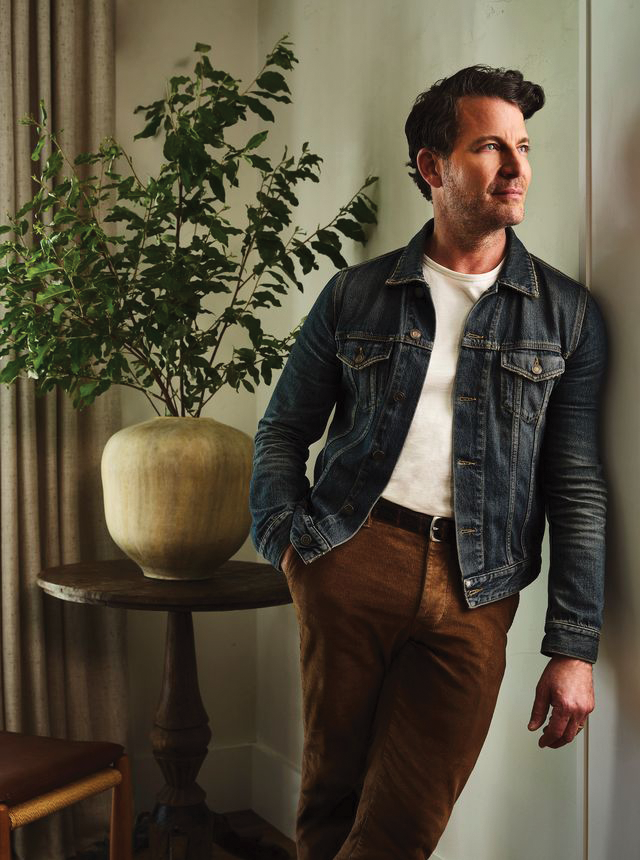
More than a decade has passed since Nate Berkus published The Things That Matter, the deeply personal, best-selling design book that invited readers into the philosophy and soul of his interiors. Now, as his celebrated firm reaches its 30-year milestone, Berkus returns with Foundations—a sweeping, 400-page compendium that feels as much like a thank-you letter as it does a masterclass in timeless design.
When Berkus first sat down to conceptualize his third book, he envisioned something unconventional: a series of small volumes dedicated to specific rooms. “I thought this was the best idea,” he laughs, “but every publisher said it would cost a fortune to print 20 different covers.” The compromise was Foundations—one comprehensive guide that distills three decades of expertise into a single, approachable reference.
“It didn’t feel right to do a monograph celebrating me,” he explains. “What felt right was writing a thank-you note with practical information for everyone who’s supported me all these years.”
RIGHT: Photograph by Christopher Dibble
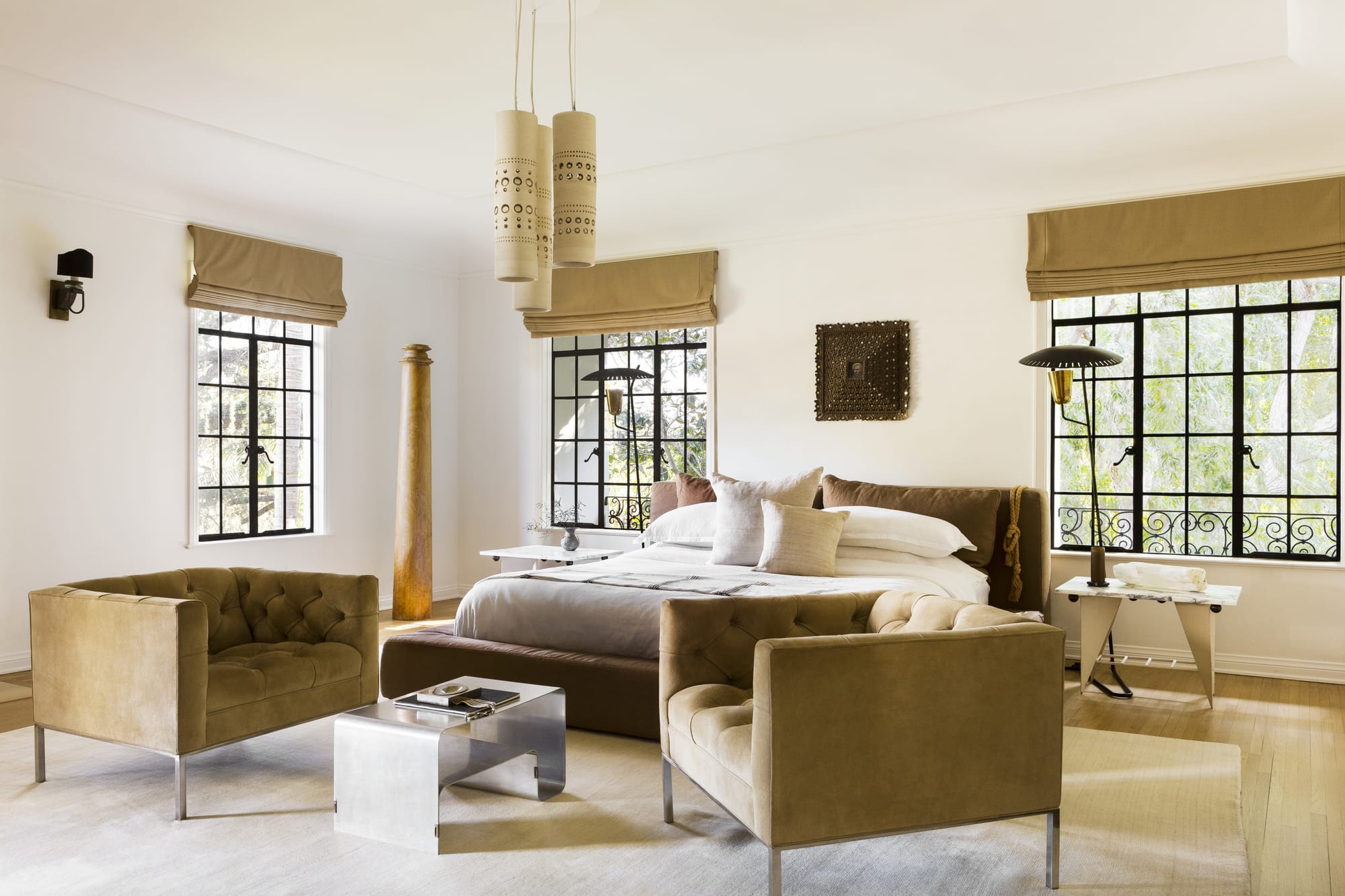
The result is equal parts inspiration and instruction—photographic storytelling paired with checklists, diagrams and room-by-room design breakdowns. “It’s what I believe to be the good foundation of design,” Berkus says. “After all these years, I wanted to answer the questions people always ask: ‘Where do I start? How do I make it work?’”
Unlike glossy coffee-table tomes that focus solely on the visual, Foundations is built for practicality. Berkus partnered with magazine editor Heather Somerville to structure the material into “small, digestible bites.” Within its pages are measuring guides, visual references and before-and-after examples showing how inspiration images translate into actual spaces.
“Design on Instagram looks easy, but many of those people have never installed or managed a project,” he says. “I’ve spent 30 years doing it. This book takes those lessons and shows readers how to apply high-design principles to any budget.”
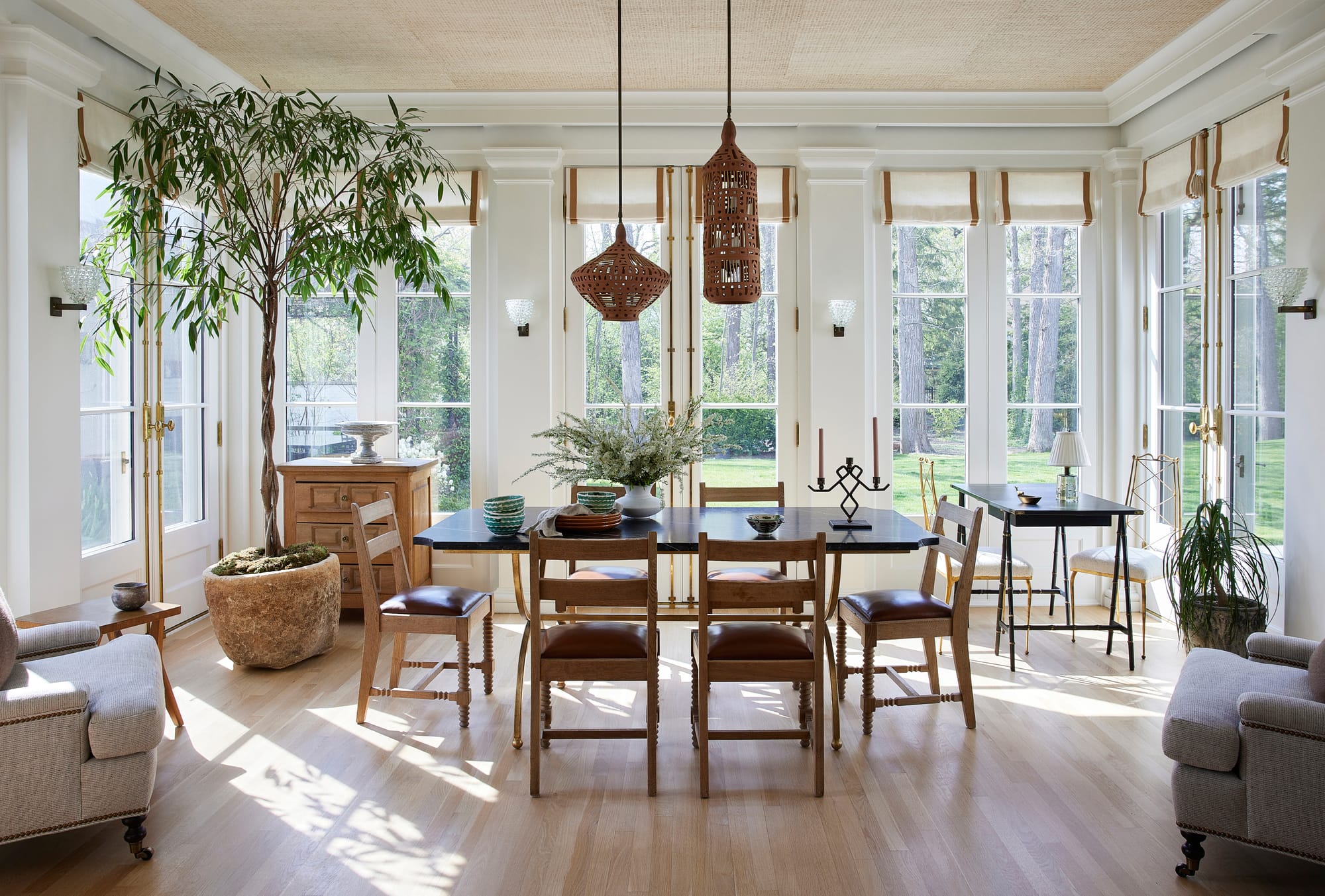
Each chapter demonstrates the anatomy of a room—how a homeowner’s inspiration becomes reality, how details connect back to original intent, how universal design language can empower readers. “You might not find a pair of 19th-century urns,” he notes, “but you can understand what makes them beautiful and source something similar. It’s about accessibility without compromise.”
The release of Foundations coincides with Berkus’s 30th year in business, which is a milestone he approached with gratitude and a renewed sense of purpose. “It felt like the right moment to share everything I’ve learned—what’s worked, what hasn’t, what mistakes taught me,” he reflects. “If someone is going to spend their hard-earned money improving their home, my work—and this book—should deliver.”
That philosophy of integrity has guided Berkus since his early days as a young designer appearing on “The Oprah Winfrey Show.” “I was 26 when I started with Oprah, and that experience gave me incredible opportunities,” he recalls. “But it also taught me the importance of saying no. You have to protect your philosophy, your name and the trust people place in you.”
For Berkus, design is rooted in empathy. With a background in sociology, he approaches interiors as emotional portraits. “Interior design is about getting to know the people who live in a space—what they find embarrassing, what they consider a victory, how they wish to be seen,” he says. “Our job as designers is to dream a bigger dream for them than they can dream for themselves.”
The human connection, refined through decades of television work, has shaped his storytelling instincts. “Television taught me to listen,” he explains. “Designers have to hear what’s being said and, just as importantly, what isn’t.”
He recounted one unforgettable “Oprah Show” makeover in Baltimore: a grieving mother and her young son who had lost his twin brother. The producers planned to remodel their kitchen to support the boy’s cookie business, but Berkus quickly sensed the child’s heart wasn’t in it. “He didn’t want to make cookies—he wanted to go to camp,” Berkus remembers. “That moment reminded me that listening is the foundation of good design. It’s never about us; it’s about the life unfolding inside the home.”
Across his career, Berkus has worn many hats—designer, television host, author, product creator. The through-line, he says, is philosophy: “No matter the medium, it’s about staying true to what you believe and ensuring that what you put into the world delivers value.”
It’s a sense of integrity that drives his partnerships, which range from The Shade Store and Kravet to Rugs USA and The Tile Shop. “The partner matters as much as the product,” he explains. “After 30 years, protecting the trust people have in my name is everything.”
His forthcoming collections underscore this renewed creative energy: over 15 launches spanning stationery, tile, textiles and decorative accessories. The Rugs USA collaboration, for instance, reinterprets vintage inspirations—from Chinese and French Art Deco to Italian mid-century tapestries—into accessible pieces that work in both a $5,000 room and a $500,000 one. “A heathered wool rug in camel is a forever piece without a forever price,” he says.
Berkus remains most proud of how his work helps people connect to their own stories. “What people really want is to feel connected in their space,” he says. “When a home is organized, when it functions beautifully, it changes how you live. You cook differently, you dress differently, you engage differently.”
That belief extends to his personal life with husband and design partner Jeremiah Brent, with whom he shares two children. “We like the same things—we just use them differently,” he smiles. “Our rule is simple: If one of us says absolutely not, it’s off the table. No selling the concept.”
“Interior design is about getting to know the people who live in a space — what they find embarrassing, what they consider a victory, how they wish to be seen. Our job as designers is to dream a bigger dream for them than they can dream for themselves.” –Nate Berkus
Their collaboration has evolved into harmony born of respect. “There’s never one right way to do a room,” he says. “We promote each other, we celebrate each other. In the end, everything we build is for our kids.”
Even with television, books and a global product empire, Berkus remains energized. “I’m in a massive rebirth of the brand,” he says. “I feel creative, I feel awake, I have the right team around me. I’m not tired, and I’m not out of ideas.”
His longer-term vision is to expand the Nate Berkus brand internationally before eventually passing the baton. “I’d love to build it up and then sell it to someone who can take it global—maybe end up in Portugal on a beach with my kids,” he laughs. “Let’s see where it goes.”
Through all the chapters of his career—from Oprah to Target to Foundations—Berkus has remained anchored by humility and humor. “Grace goes a long way,” he says. “Be the guy that when people see your name on the calendar, they’re happy to meet with you. This isn’t organ donation—it’s a bath mat. Let’s have fun.”
What, then, does it mean to be called one of America’s most trusted voices in design? “It means responsibility,” he answers simply. “Don’t mess it up. People are watching. Stay the course.”
And what object in his own home tells his story best? “Almost everything,” he admits. “Every piece ties to a memory—a trip, a moment, a person. My home is my autobiography.”
In the end, perhaps that is the essence of Foundations: a reminder that great design begins not with trends or technology, but with humanity—with the stories that live within our walls and the grace we bring to shaping them.
Nate Berkus’s Foundations is through Simon & Schuster, Rizzoli and major booksellers nationwide.
Asked what readers should take away from the book, Berkus offered three enduring principles.
1. Incorporate something old.
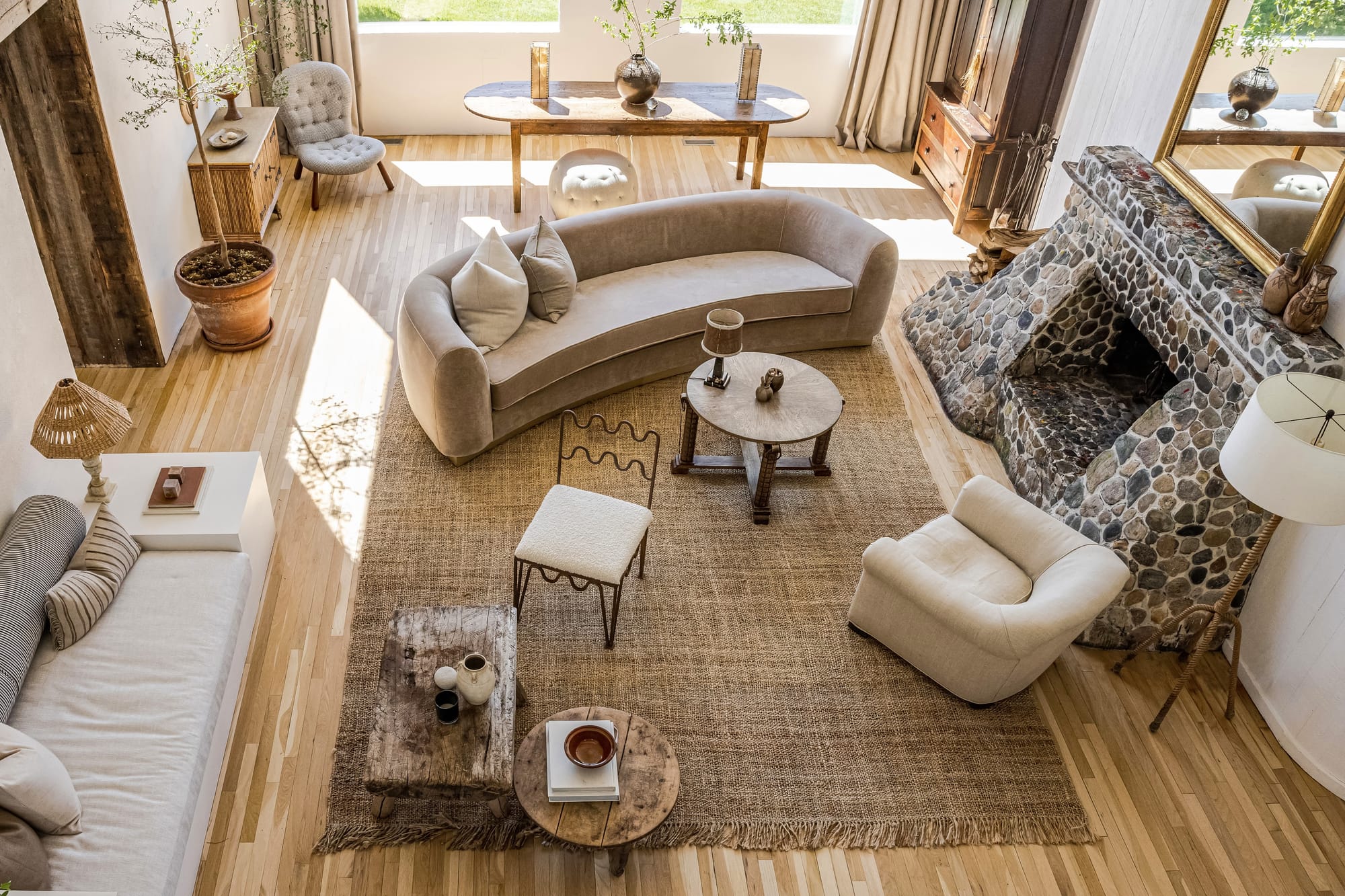
“A room assembled entirely from a catalog will always feel flat,” he insists. “Patina, history and imperfection are what give a home depth.” Whether it’s a vintage lamp or an heirloom chair, old pieces ground new design in authenticity.
2. Know yourself before you start.
“Quiet the noise,” he advises. “Don’t design for TikTok. Design for how you live.” In Foundations, Berkus outlines exercises to help readers identify what they truly love and translate those instincts into cohesive choices.
3. Let design evolve.
“Good design isn’t about checking a box,” he says. “It’s an evolution. Homes grow as we do.” For Berkus, the joy of discovery—finding a treasure at a flea market or adding a new piece that shifts the room’s energy—is part of the process.
Berkus is unabashedly anti-trend. “Trends are designed to make people feel bad about what they don’t have,” he says. “To create an interior that reflects who you are, where you’ve been and who you love—trends are just noise.”
Instead, he looks to history. “If a material has been used since the 1920s, you’re safe,” he laughs. “Carrara marble, limestone, brass, walnut—these never go out of style.” His pragmatic rule of thumb: Experiment only with what you can easily change. “Switch out your pillows or lampshades, sure. But don’t install a countertop you’ll regret in two years.”
That balance between permanence and play defines his design ethos: timeless materials layered with collected objects and handmade details. “When something’s made by hand—a basket, a textile, a piece of pottery—it earns its place next to the most luxurious thing in the room,” he says. “Craft equals soul.”
