Randy Hogan had no intention of coming back. After the Oklahoma City native had graduated from high school and moved off to Texas to seek his fame and fortune, returning to the Sooner State was the last thing on his mind.
But while working at a Houston-area bank in 1982, Hogan received an offer he couldn’t refuse.
“My dad (Dan) was trying to get me moved back. We owned the General Record Building downtown. So, I came back to help renovate that, lease it and manage it. I really had no plans coming back to Oklahoma City, but he kind of needed the help. Obviously, for him, I’d do it.”
Hogan’s desire to help out his father ended up turning into more than four decades of him changing the landscape of Oklahoma City. In the process, he helped turn it into a boom town, again.
Hogan, who founded and runs Stonegate Hogan Commercial Real Estate Services, has put together multi-million dollar real estate projects that focus on mixed-use properties. However, you would never know it by his office: a nondescript space on the first floor of a building overlooking Lake Hefner, with no signage out front. Stonegate Hogan doesn’t even have a website, which is unheard of in this era.
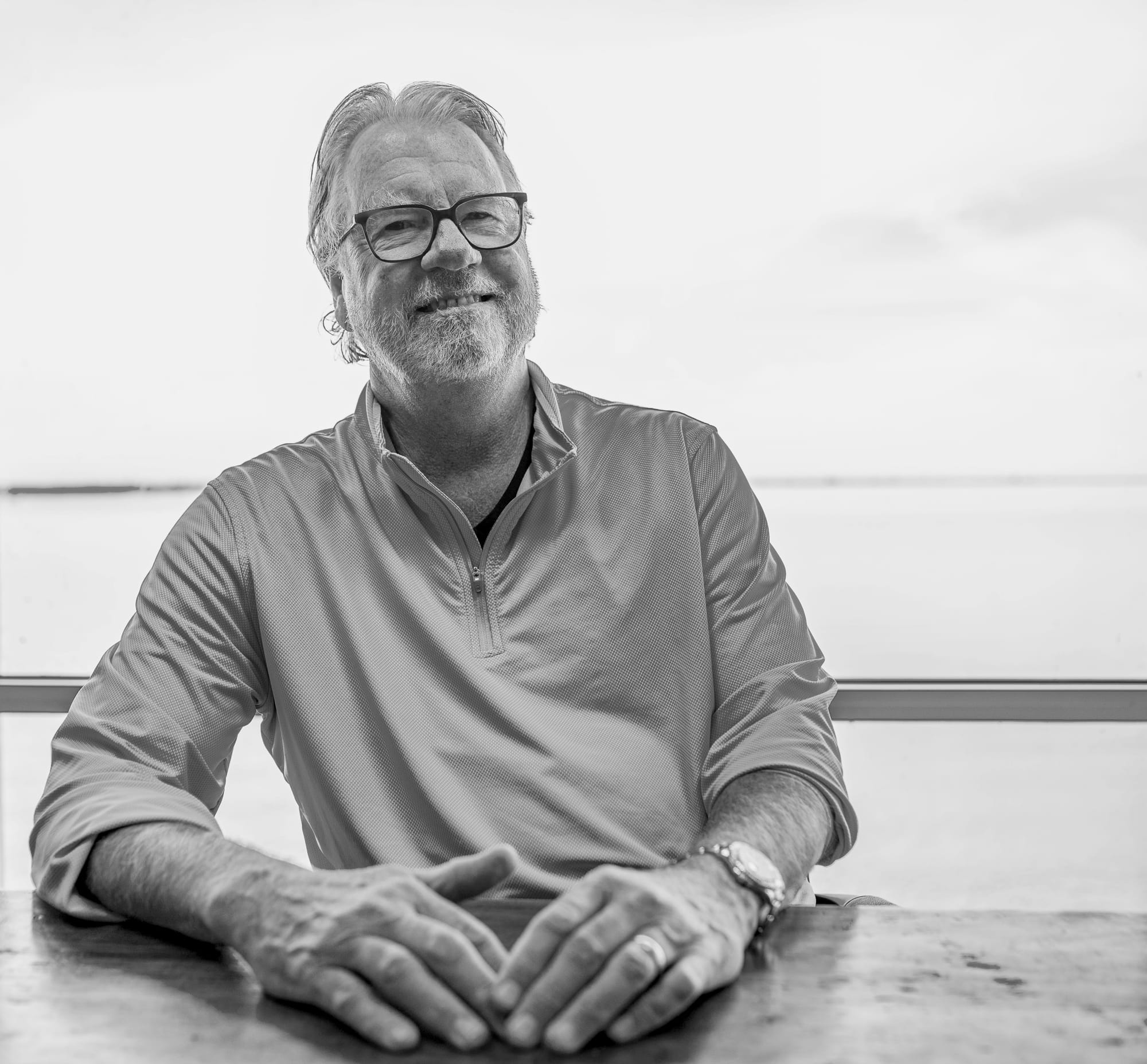
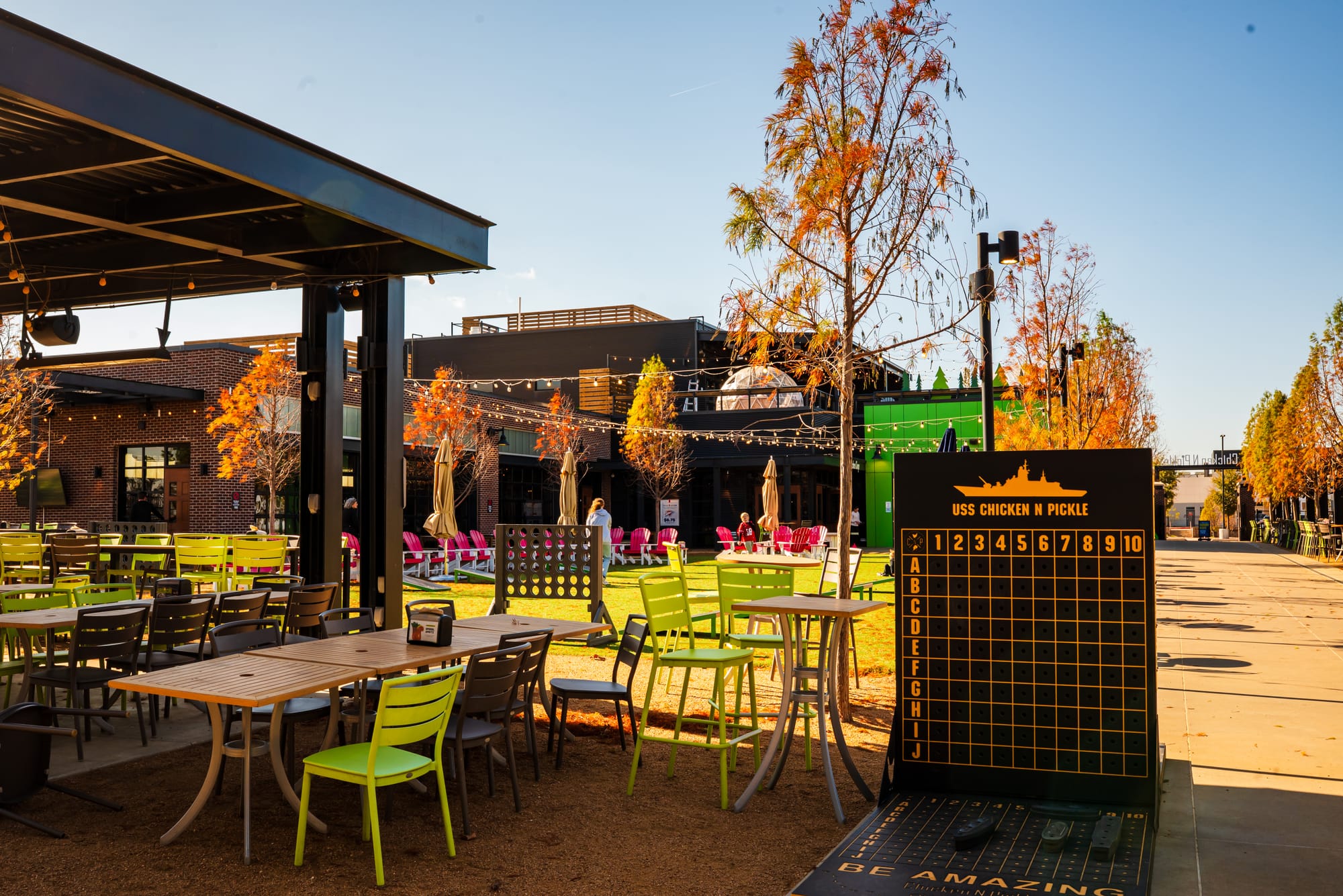
LEFT: Stonegate Hogan founder Randy Hogan, RIGHT: Chicken N Pickle located at The Half
The 69-year-old Hogan remembers it being a very different atmosphere when he first came back to Oklahoma at his father’s request.
“My timing was impeccable,” he says with a laugh. “The Penn Square Bank folded 45 days later, and everything we had planned went to hell in a handbag. It was over. We were going to develop some apartments; it was the oil boom and I had some customers that were really very active in the apartment business.”
Oklahoma was suddenly in the midst of an oil bust, which was triggered by a sharp decline in oil prices due to oversupply and reduced demand. Unemployment rates soared and residents started moving to other states. It left those in the business community scrambling for answers.
“There were a lot of people that were younger and who were in different businesses, developments, certainly real estate,” Hogan recalls. “I literally remember actually hosting at the General Record Building a group of people that just were saying, ‘What do we do now? I mean, what in the world do we do to move this city forward?’ It was from all walks of life, and I don’t think we accomplished anything, but we sure talked about it.”
Instead of picking up stakes and putting Oklahoma in his rearview mirror again, Hogan accepted the challenge of trying to help turn his city and state around.
It took close to a decade, but Hogan started to see small glimpses of the transformation that was coming with the first MAPS (Metropolitan Area Projects Plan). That also re-energized Hogan’s passion for real estate development, which he first found while working in Texas.
“I got hooked on development when I was in Houston,” Hogan says. “It was a boom time. There was probably more development in Houston during the three years I was there than any place in the country, because the energy business was going up.”
While Hogan had worked on several management and leasing deals, his first big project was Lake Hefner Parkway.
“I really kind of became interested in developing something here on the water,” Hogan says while looking out his office window. “We were the first public-private partnership in Oklahoma City. I pitched this to the Hall family. They were our partners going into it, and Jim Couch was the head of the water trust at the time, who later became a great city manager. But they made the decision. They thought it would be great for Oklahoma City to have a place where people, especially from out of town, can come and really see a different slice of Oklahoma City.”
“I think that’s my favorite part. It’s like you’re creating these pockets of entertainment and gathering places for people, and it kind of helps build a city in a small way.” –Randy Hogan
With its restaurants, walking paths and amazing views, Lake Hefner has become one of OKC’s biggest attractions. It is the lake’s signature lighthouse that Hogan is most fond of discussing.
“We thought the lighthouse would be kind of fun to have. But I never dreamed it would turn out to be this,” Hogan says. “I was in Nantucket with my family, we were actually on my dad’s boat, and I kept looking—and there was this little lighthouse. It’s called Brant Point Lighthouse. I walked up to it, and I saw all these people going up to it. It was 36 feet tall. It’s the most photographed or visited lighthouse on the East Coast. That’s when I go, ‘I think we could build that.’ My family thought I was insane. They thought I was crazy when I first told them. So, we built ours—which is 38 feet tall.”
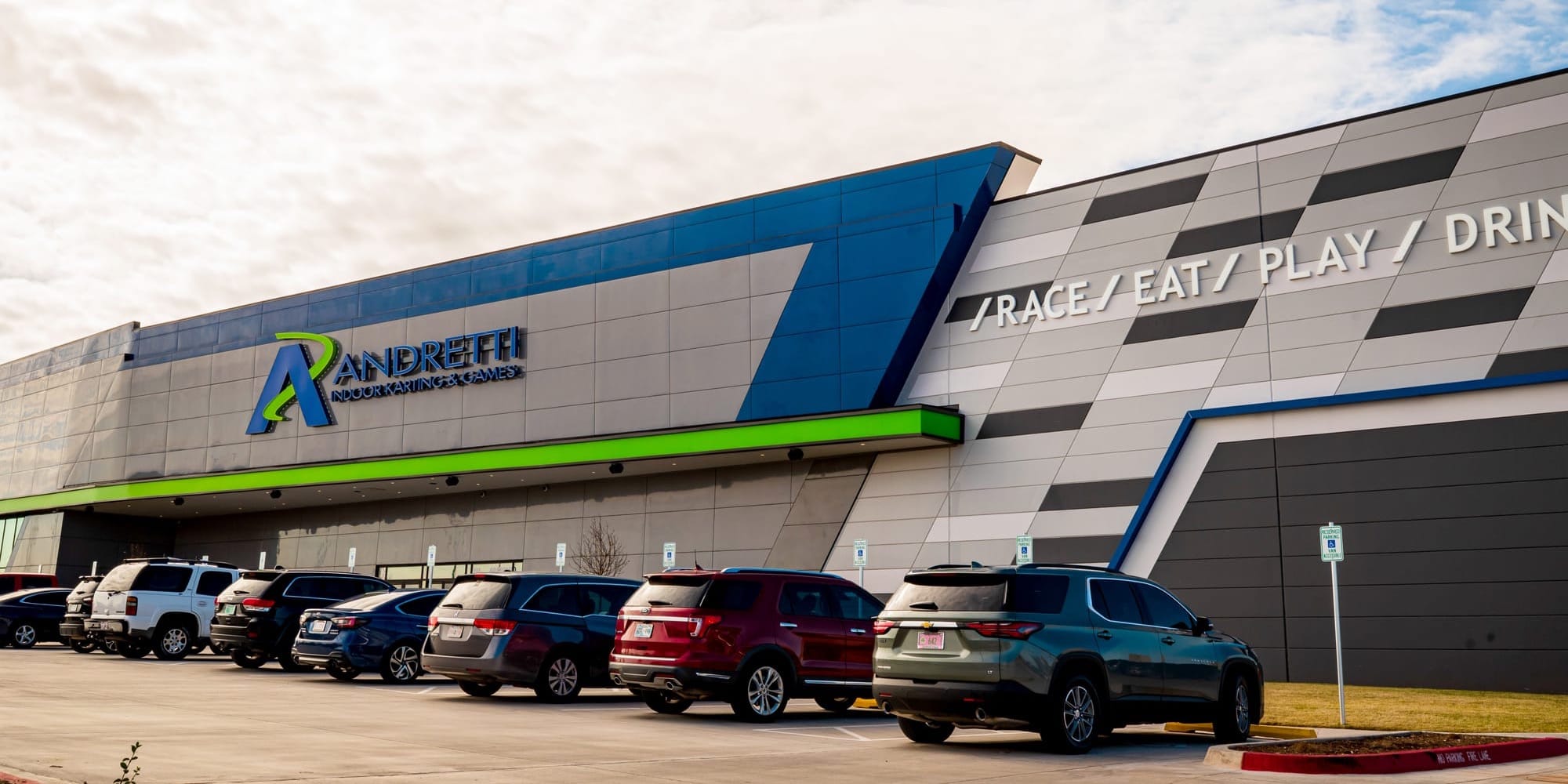
Andretti Indoor Karting located at The Half
Hogan made the entire project sound like it came together with the snap of his fingers, but he admitted the Lake Hefner Parkway was one of his most difficult jobs to complete due to lawsuits, raucous city council meetings and non-stop protesting from people who were against the project.
But in the end, Hogan prevailed.
“All of these were zoning battles,” he recounts. “It was not a fun experience because you have a few people making a ton of noise. Then they all come to your restaurants, which the restaurant guys tell me. They go all the time and say, ‘You know, we really protested this, but God, we really love this.’ I go, ‘Great. I sat through a three-hour city council meeting where they were telling everybody what bad people we were.’”
Those types of experiences often have Hogan contemplating retiring from the game. But even after having a redevelopment agreement go all the way to the U.S. Supreme Court, he can’t seem to step away. There are very few areas in the city that Hogan hasn’t had a hand in developing. And he isn’t done yet.
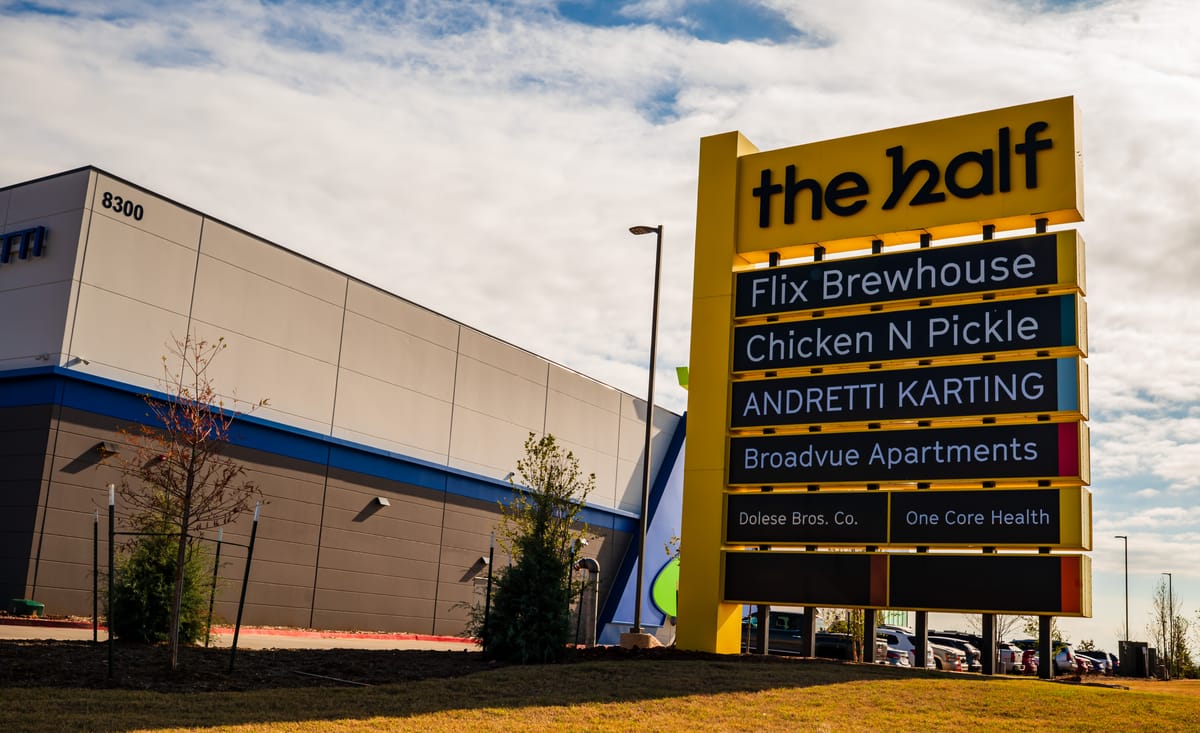
Hogan and his partners are also putting the finishing touches on The Half, another mixed-use property located along the Broadway Extension in north OKC. It currently houses American Fidelity, Dolese, Flix Brewhouse and Chicken & Pickle.
He is also putting together a mixed-use project that will be anchored by Scheels, a sports retailer that began in Fargo, North Dakota, with a 330,000-square-foot structure that houses a Ferris Wheel inside. The employee-owned business now has 34 stores spread out around the central corridor of the country. That includes Tulsa, at 6929 South Memorial Drive.
Those are the types of projects Hogan is drawn to these days—ones that are big and fun and add to the growth and prosperity of his hometown.
“I like creating a kind of fun sense of play,” Hogan says. “Where people can come and enjoy it, and I can come and kind of just sit back and just watch everybody enjoy being out. I think that’s my favorite part. It's almost like you’re creating these pockets for mainly entertainment and gathering places for people, and it kind of helps build a city a little bit in a weird, small way.”
The link has been copied!
Your link has expired. Please request a new one.
Your link has expired. Please request a new one.
Your link has expired. Please request a new one.
Great! You've successfully signed up.
Great! You've successfully signed up.
Welcome back! You've successfully signed in.
Success! You now have access to additional content.