A one-hour conversation with Caylee Dodson is like a spa treatment for the brain of a nerd with ADHD: religion, local politics, non-profits, Oklahoma City, Ferguson in Missouri, the East Side, Chicago, Denver, farming, mission, embodied theology—such that it’s nearly impossible to find a topic about which she doesn’t have something interesting to say. For example:
“I’m a person of faith, but I don’t lead with that. Scripture talks about the message being ‘good news for the poor,’ but nothing about American Evangelicalism’s embodied principles and practices looks like good news to me.” That was her response when I asked how her faith informed her work at RestoreOKC, the NEOKC organization that seeks to improve the lives of residents by focusing on housing, education, employment and health outcomes.
She’s rightly reluctant to have the organization perceived as a ministry in the strictest sense, because all labels come with baggage in the form of assumptions. Dodson’s approach has been conversational and pragmatic rather than condescending and messianic, the latter pair being too often the well-meaning but wrongheaded approach to what has lately come to be known as missional religion.
Dodson was born in Enid, but grew up in the Putnam City area of Oklahoma City, graduating from PC North before heading to Stillwater to major in what she calls “knowing everyone on campus.” Her first pick for a major was journalism and PR, but she didn’t really have a plan—which is pretty normal for someone whose natural gifts allow a wide range of possibilities.
“I loved writing and people and I loved stories, so that sounded like journalism to me,” she says. “I managed coffee shops all through college in various areas, and it was those experiences that helped me understand the disparities that occur when people are afraid of ‘the other,’ and it seems that happens all over the world. The truth is that there is more than enough to go around so those disparities shouldn’t happen.”
She married right out of college, and then received a scholarship to attend Covenant Theological Seminary in Creve Coeur, Missouri, just west of St. Louis. The school specializes in theological training for the Presbyterian Church in America, a conservative denomination within the larger Presbyterian tradition—which is to say, not the kind of place a woman typically goes to grad school if she intends something other than marriage, family and teaching children.
During her years in St. Louis, she and her husband Josh, who also attended Covenant, worked with the organization Restore St. Louis. That role would lead to her leadership of RestoreOKC, but not before the killing of Michael Brown in Ferguson, Missouri—one of the police-involved shootings that contributed to the Black Lives Matter movement—divided the city along racial lines, revealing an ideological rift that ran through every other U.S. state.
As the protests and movement spread, OKC’s NEOKC leadership (religious, political, business, civilian and organizational) looked to address issues like those revealed by Ferguson’s protests and aftermath. They raised six months’ salary and invited Dodson to bring her experience and expertise to NEOKC.
At this point, it’s important to note that the only way to talk about race is to actually talk about it, not around it. A white woman assuming leadership of an organization that primarily serves a historically Black area of the metro could have led to predictably bad outcomes, but Dodson is not typical of organizational leaders.
“We had no real plan, because we shouldn’t for a community we aren’t part of and don’t fully understand,” she says. “Our first priorities were to build relationships and to listen.”
Chaya Pennington, who has been profiled previously in Luxiere, is the director of culinary for RestoreOKC. Before assuming that position, she was consulting with the organization from very early on, beginning with the EastPoint development. She’s a fifth-generation Northeast Oklahoma City resident, and she has a vested generational interest in the community’s well-being.
“Caylee is different because her goal, as it should be, is to not treat the community as asset-less, because the people are the assets,” Pennington says. “She knew through conversations that it’s important to create partnerships with those assets for the benefit of the community without telling us what we need or what we should do.”
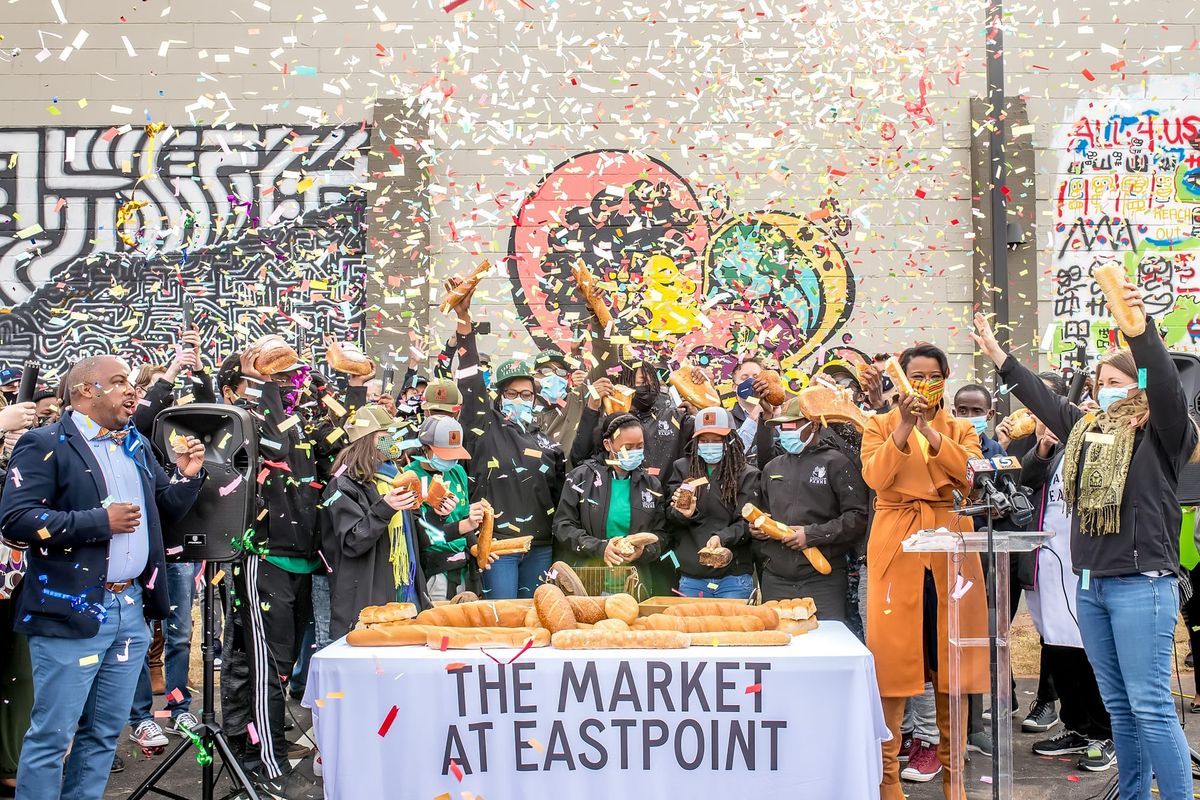
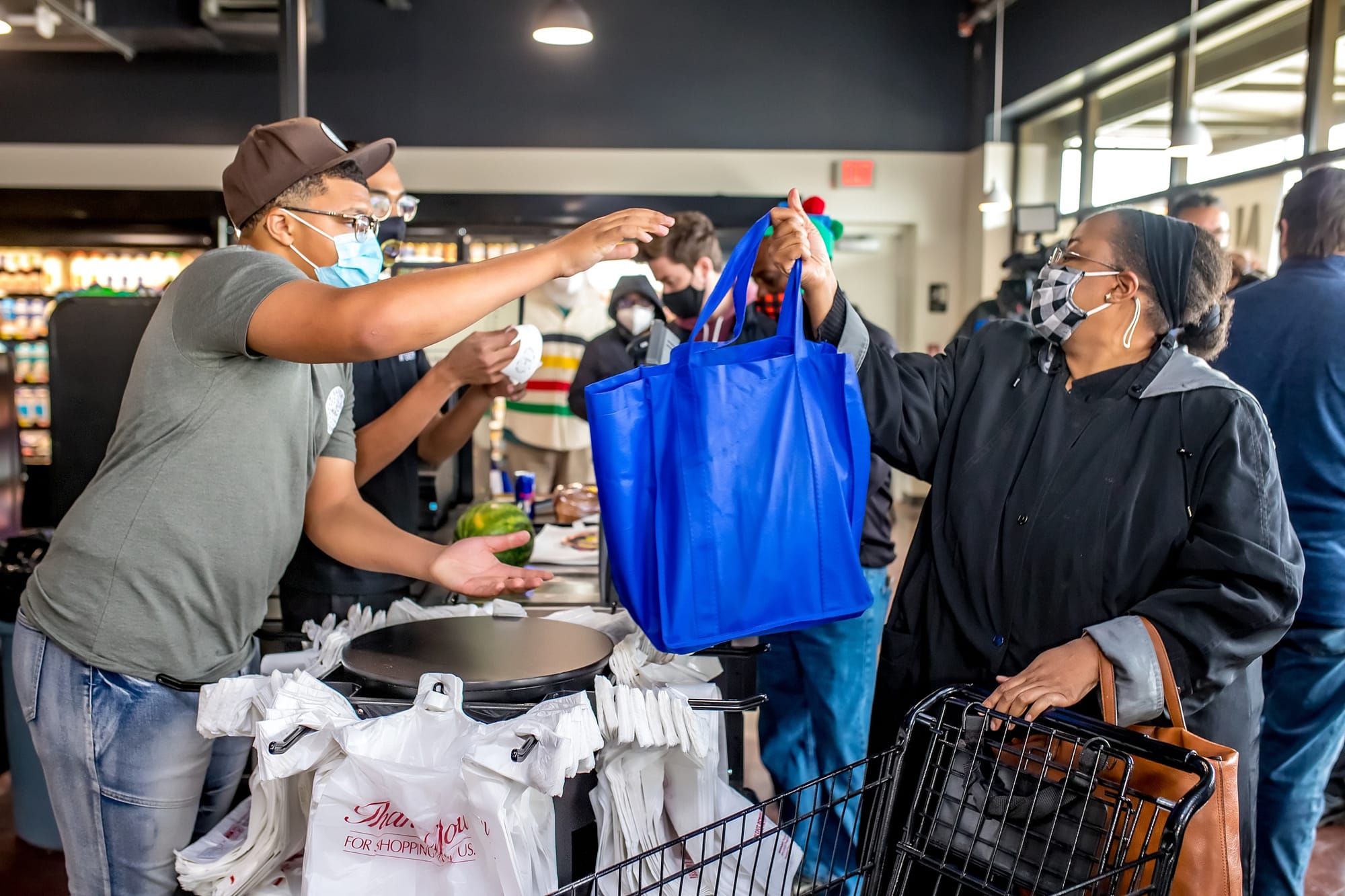
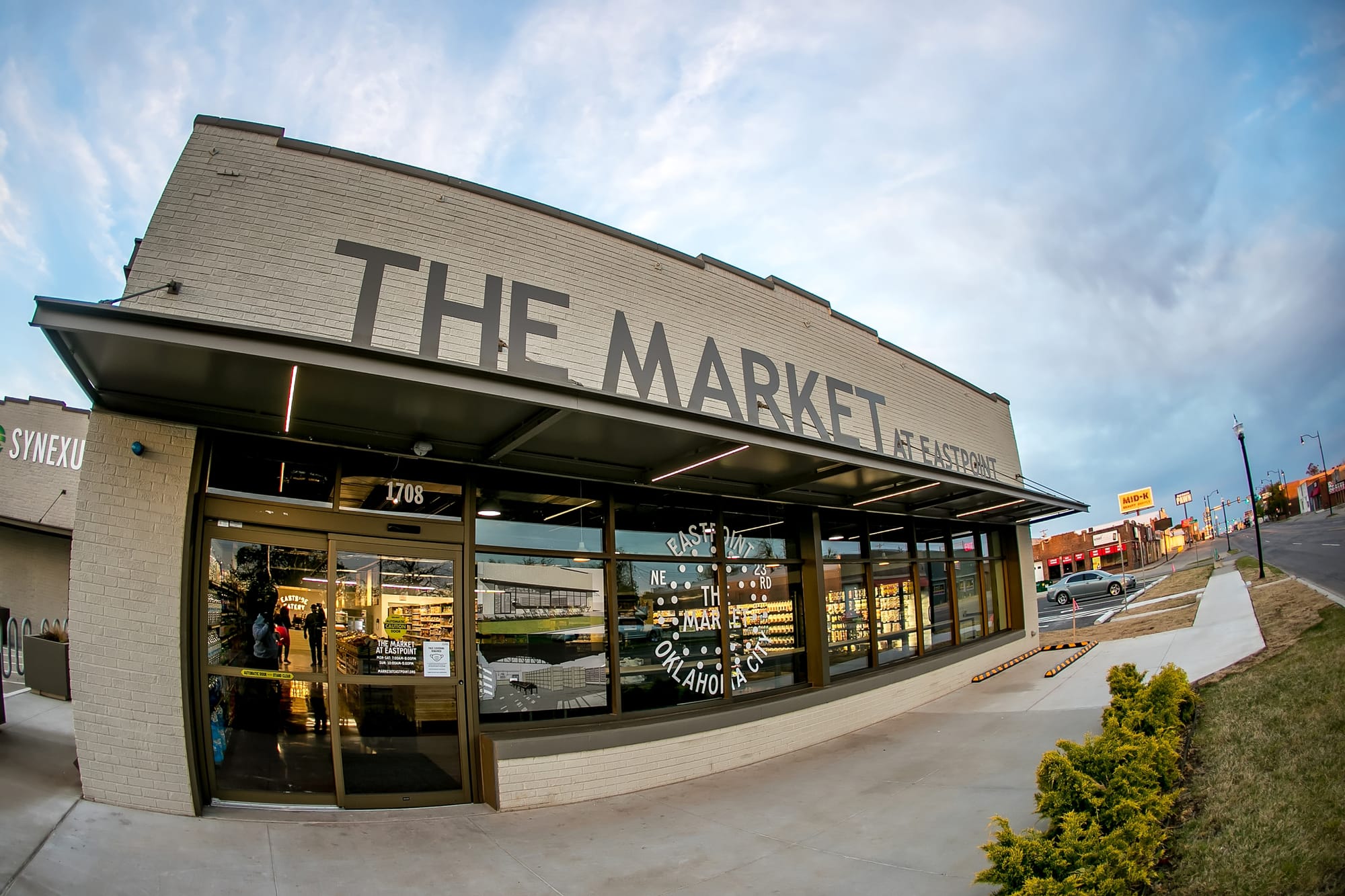
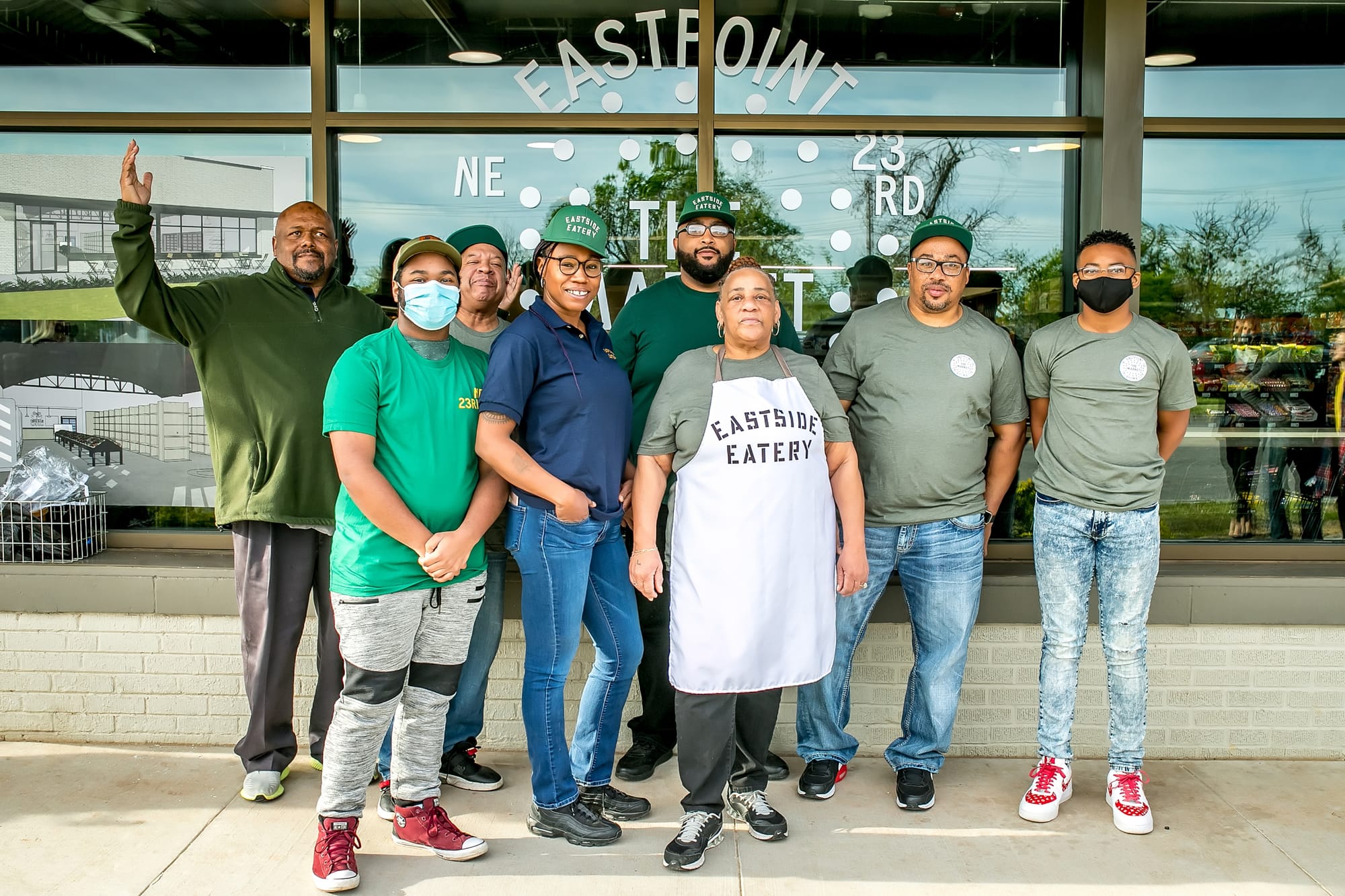
An early example of this was the Market at EastPoint, now a busy grocery store with Eastside Eatery tucked into the back. (The soul food is exceptional, by the way.) But before anyone knew what it was going to be, Dodson and Pennington had many conversations with community leadership. “They told us repeatedly that they didn’t want a food pantry, which was one of the ideas that always come up when organizations are trying to work in underserved communities. They wanted a market.”
Pennington explains the decision: “The food pantry idea comes from the belief that the East Side isn’t worthy to have a place to buy fresh produce and good food, but we didn’t need another place where people gave us free food; free food they chose, not the residents. People forget that there is a ton of value on the East Side. Clara Luper and Ralph Ellison were students here. We want to celebrate the excellence that’s already here.”
Early in her work, Dodson had one of those moments that open a new window of understanding to “the other” and how their lives are markedly different from what she has experienced. “We were doing summer reading programs at Ralph Ellison Library after then Governor Mary Fallin cut daycare and mental health subsidies, and a boy about 5 or 6 walked into the library sobbing,” Dodson says. “His mother had gotten into an altercation over food at a convenience store, and the child was afraid it would lead to his mother getting shot, so his trauma was plain in his reaction. It shattered me. I realized again that no community is broken because of itself, and I knew that without intervention, people would look at that child in 20 years and find ways to blame him without understanding what had shaped him.”
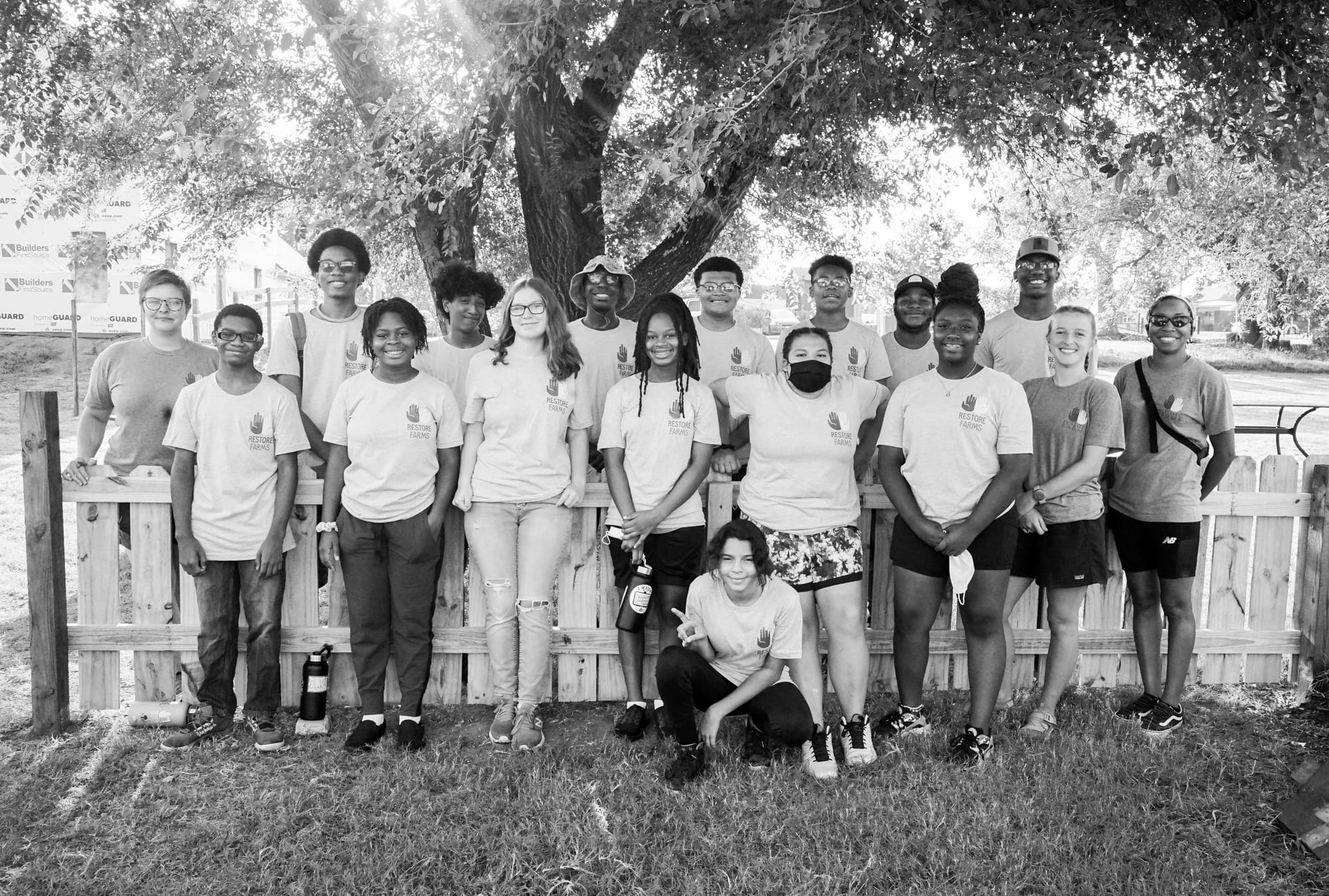
RestoreOKC now comprises the Market at EastPoint, Eastside Eatery, Restore Farms and the Market at Restore Farms, as well as programs for youth culinary education; farm internships; a cleaning company that hires women who need full-time employment and a structured life to regain custody of their children; and skilled trades training for youth and adults. It’s not comprehensive, but it is a complex, multi-pronged approach to help as opposed to handouts, and it’s working.
“This was never about building a campus,” Dodson says. “Rather, it’s about responding to invitations as faithfully as we can.” That requires difficult conversations, truth-telling and something else Dodson is fond of and good at: plain speaking. •
The link has been copied!
Your link has expired. Please request a new one.
Your link has expired. Please request a new one.
Your link has expired. Please request a new one.
Great! You've successfully signed up.
Great! You've successfully signed up.
Welcome back! You've successfully signed in.
Success! You now have access to additional content.