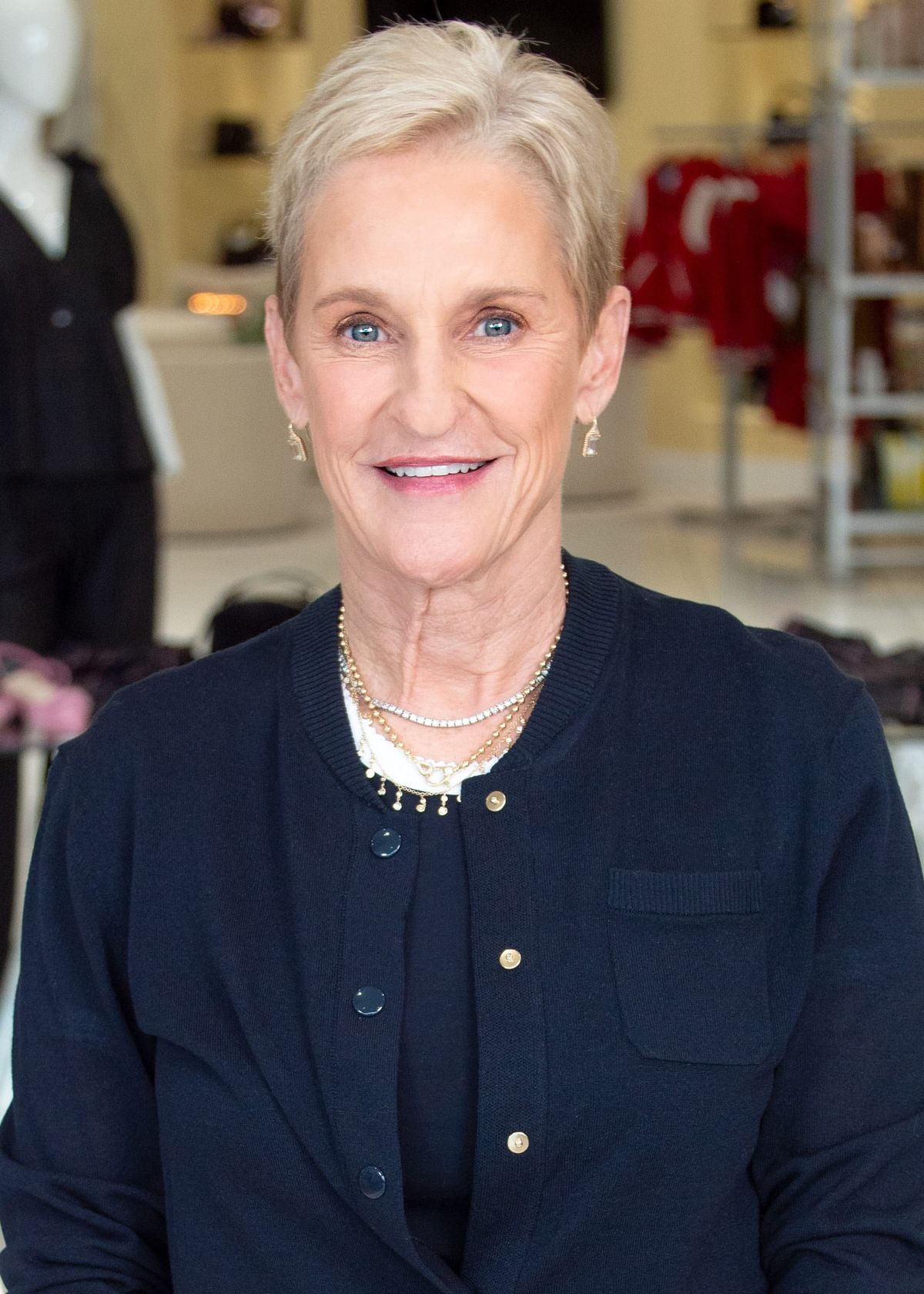
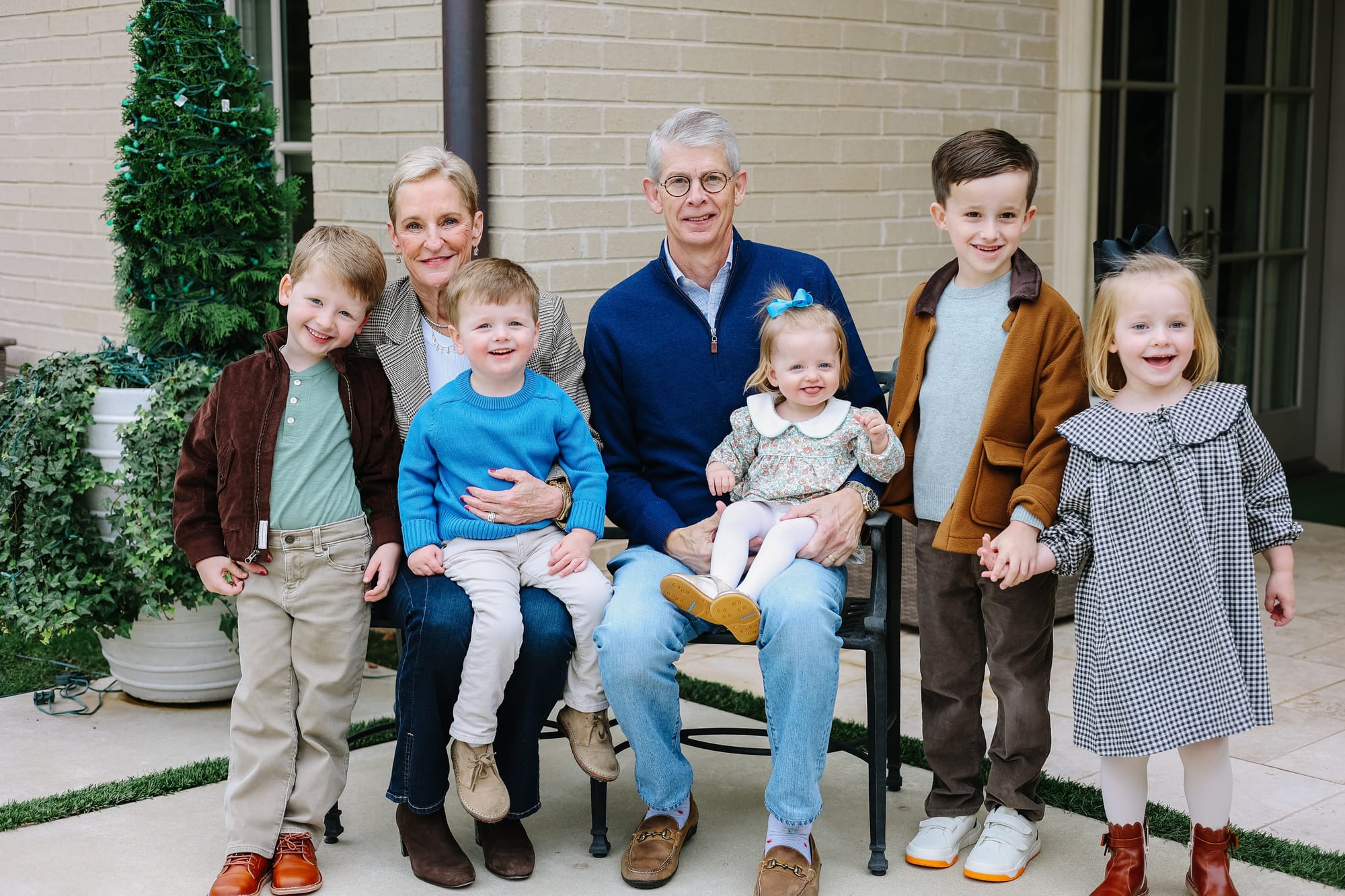
This is the story of a woman who is blooming precisely where she was planted. Or at least pretty close. By Kathy Payne Brown’s reckoning, much of her life has been spent within a 5-mile radius, except of course for college at Oklahoma State where she met her husband of 42 years, Hal.
Generations of Brown’s family hail from Nichols Hills, all of whom have dedicated themselves to civic causes, philanthropy and voluntarism. Three generations of her family have graduated from Casady School with more to follow. Most everyone in her family went to OSU; Brown’s brother Bond Payne, who attended Vanderbilt, is the exception. This family is deeply rooted in the community and determined to leave it better than they found it. It’s just their way.
Brown is happy to tell you about the good community work of her forebears. What she won’t tell you about willingly, and what she will do her level best to downplay, is the vast number of community-changing civic and philanthropic endeavors she’s either led or played a pivotal role in. She doesn’t see it that way. Brown views herself as more of a connector, with an authentic leadership style. In her words, she just enjoys “pouring into people and projects,” which she does because “I love people … and I love the community. You know, I just do it from my heart.”
By any measure, hers is an impressive lineage. Brown’s mother, Nancy Payne Ellis, is something of a philanthropic legend in Oklahoma, having chaired among many other things the $40 million campaign for the Oklahoma City Museum of Art’s downtown facility. Brown’s grandmother and namesake, Katheryne Bond Payne, along with Ann and John Henry, helped found the Payne Education Center, named for her. The nonprofit was the first in Oklahoma to provide training for teaching learners with dyslexia to read. If you love Premier Card season in Oklahoma City, you can thank Brown’s family.
Her grandfather, William T. Payne, was the first layperson to serve on the board of Mercy Hospital, when it was still located in downtown Oklahoma City. He was an oilman, too, Brown said, but in her wonderfully understated style, what she did not say is that he, along with Walter Helmerich II, founded Helmerich & Payne, Inc. in the 1920s, and Payne went on to found Big Chief Drilling in the 1930s.
Brown’s own civic work started in earnest when her kids were at Casady. There was no volunteer job too small, and she did it all. “The Casady parent organizations, everything. Whether it was working in the concession stand or fundraisers or whatever,” she says. She was willing to give it a go. And she doesn’t believe in doing anything halfway. Anything she commits to is going to flourish. Brown said during those early years, her husband kept telling her that somebody would gladly pay her for such hard work. But, she says, “I’ve just never been motivated, really, by the dollar. It’s more about impact and making a difference in people’s lives.”
Something you’ll notice about Brown is that she almost never says “me.” It’s always “we.” And she has a quick, self-deprecating sense of humor. Before too long, she was asked to become a trustee of the school, which came as a bit of a shock to the young mother. “When they said something about being a trustee, I thought, gosh, those people were old!” She didn’t see herself as part of that group, but on the other hand, “I didn’t want to be a trustee on the backside when my kids weren’t there. I wanted to be involved in the life of the school while they were there,” she says.
Like her grandfather and mother before her, Brown supports Mercy Hospital, something she’s done for three decades. She currently serves on the Mercy Hospital Board, which she chairs; she also serves on the Mercy Hospital Foundation Board. In typical form, she jumped in with both feet. She led the fundraising effort for the 174,000-square-foot Love Family Women’s Center, which provides greater access to care for women of all ages, including innovative labor and delivery, low-intervention birthing options, emergency care for pregnant women, women’s surgery and specialized services for women.
Other projects at Mercy that bear her fingerprints are the Coletta Cancer Center campaign; the renovation of Mercy’s NICU; and the Catherine Ann Meinders Digestive Health Institute, which is the only comprehensive healthcare center dedicated exclusively to digestive health within a 500-mile drive of Oklahoma City.
She has served the Boys & Girls Clubs of Oklahoma County for about 14 years or, as she likes to put it, “When I joined the Boys & Girls Club, we had three sites and a couple of buses, and now we have 18 clubs, and a fleet of buses.” Boys & Girls Clubs were also chosen as the youth center provider for Oklahoma City’s self-funded improvement plan, MAPS4, and four new youth centers are in the works, too.
Big projects clearly don’t intimidate her. “I think it’s because I like collaboration and I like teamwork,” she says. She uses the example of the Love Family Women’s Center. They needed the late Judy Love to chair the campaign, but Love had already told the hospital president no. “I said, ‘We cannot take no for an answer. We have to go talk to her again,’” Brown says. “And we went and sat in her office, and she said, ‘You know, I’ll do it if Cathy Keating will do it.’” Brown said, “Well, let’s go talk to Cathy Keating then.”
Keating said yes, so Love said yes and now Oklahoma women have a world-class healthcare resource. Brown was the glue that made it happen. Or as she says, “I was like, ‘I don’t want to be the head of the campaign, and I don’t want to chair the campaign, but I want to connect the right people that I think can lead this effort.’”
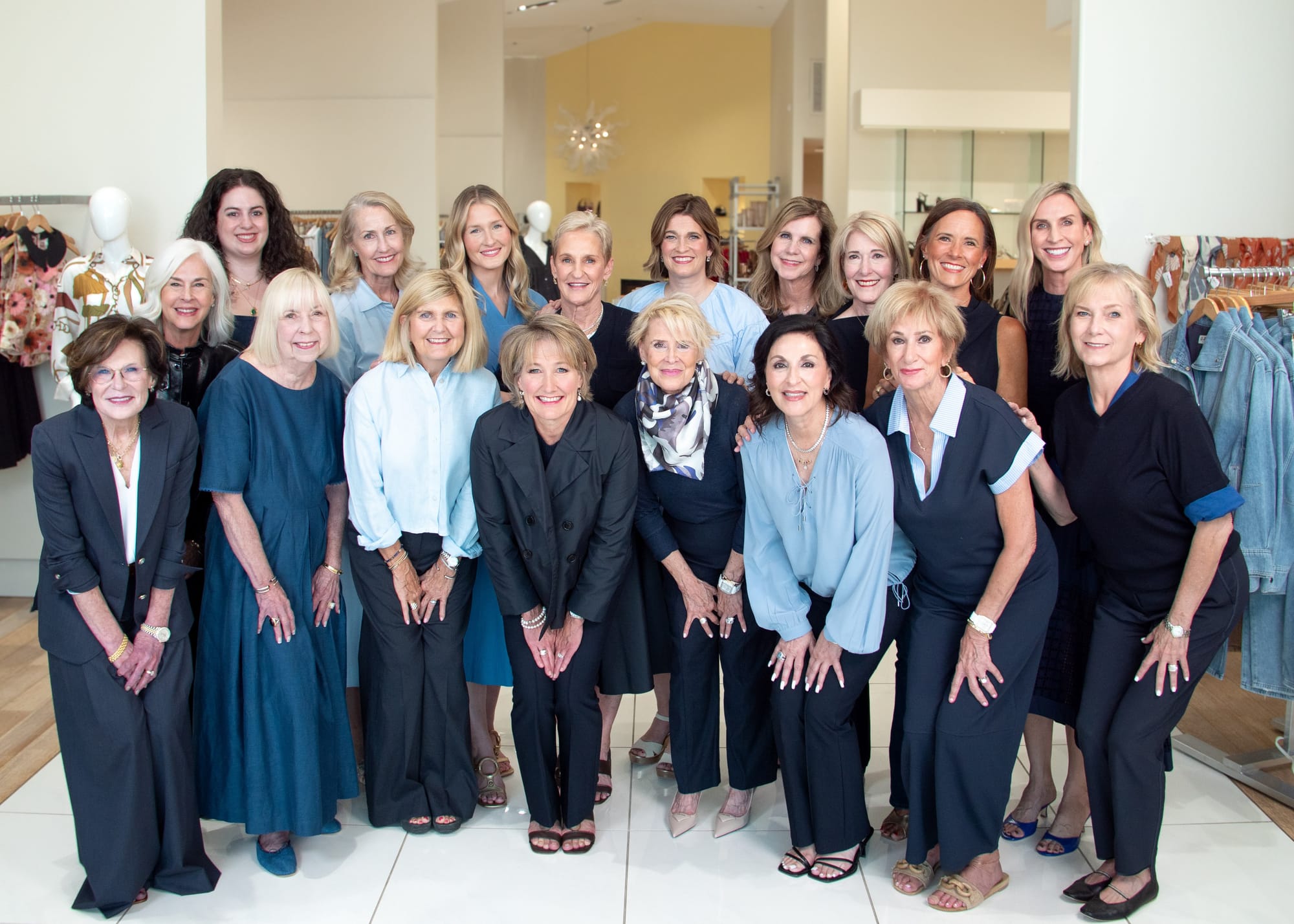
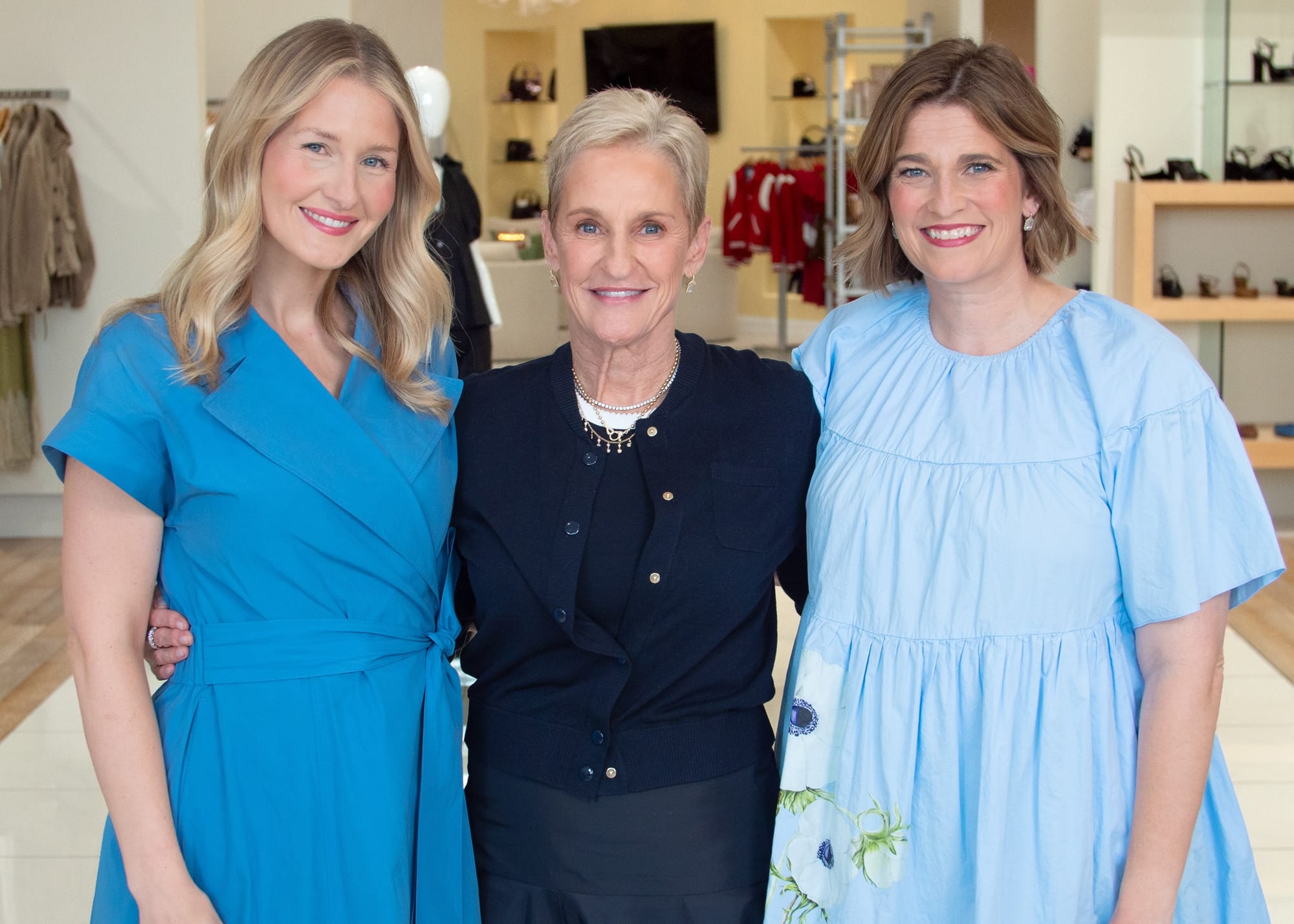
One of Brown’s more recent big projects began in 2024, when she became one of four partners who now own CK & Company, a boutique which has anchored Nichols Hills Plaza since its founding by Jane Childress in 1982. Brown’s partners are Harper Webb, Jennifer Fogg-Lickteig and daughter Sarah Bolding. Had she ever owned a business before? No. Did that stop her? Also no.
(left) Kathy Brown and CK & Company at Nichols Hills Plaza
She has a simple business strategy: “Other than making people happy and helping people feel good about themselves and look good, when people come here, they’re treated with kindness, respect and dignity. I just think that that’s important.” Naturally she also has a long-term strategy for the legacy of the shop, which is to eventually hand it off to her young partners.
It’s crucial for Brown that the shop continues to be a force for good in the community, and it certainly is. “We continue Jane’s legacy with Hearts for Hearing, so we do the Fashion for Passion event which is really important to me. It’s not for visibility. It’s really just giving back and supporting our community,” she says. Just like absolutely everything else she does!
The link has been copied!
Your link has expired. Please request a new one.
Your link has expired. Please request a new one.
Your link has expired. Please request a new one.
Great! You've successfully signed up.
Great! You've successfully signed up.
Welcome back! You've successfully signed in.
Success! You now have access to additional content.