
Raising A Glass to Reinvention
Neverstill Wines and Christy Counts’ dynamic life

“Can I hold her before you go?”
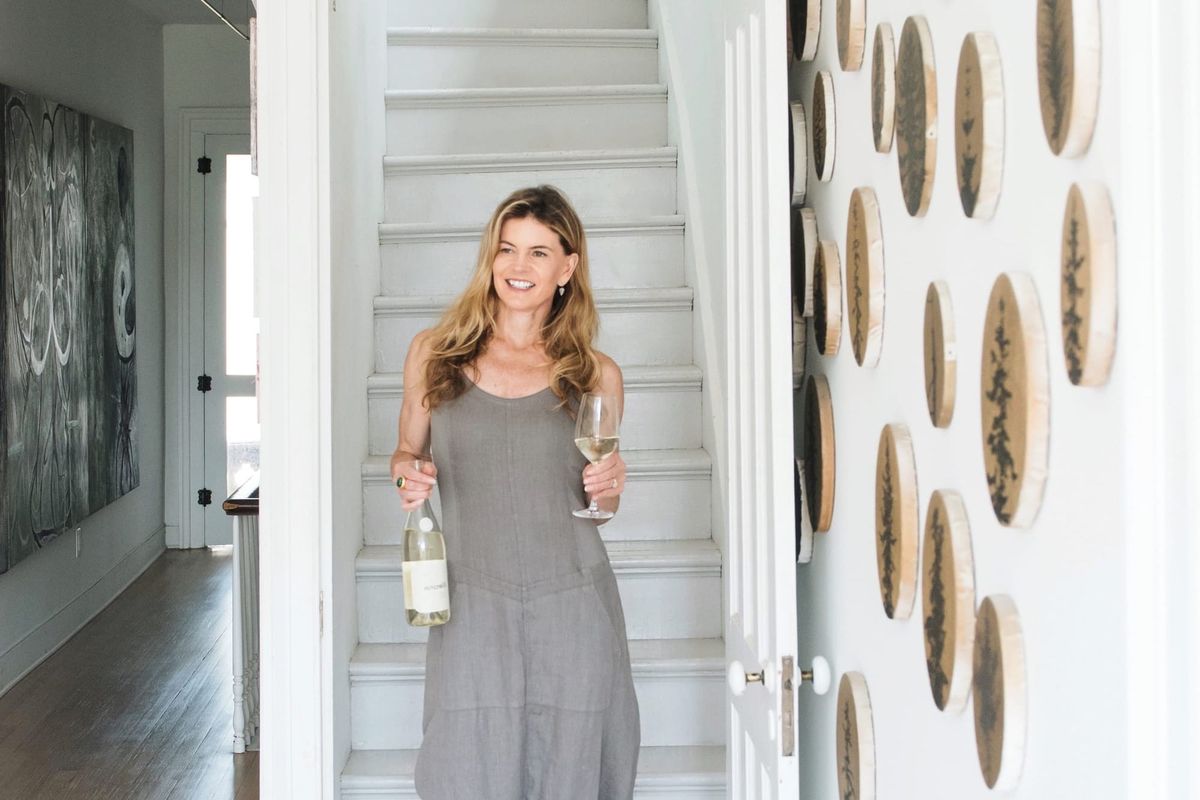
Christy Counts looks like a vision of New York style and Oklahoma hospitality standing in the doorway of the tasting room: straw cowgirl hat, chic sneakers, a little dog circling her feet and some guest’s baby bouncing on her hip.
“This is what it’s all about,” she says, playing peekaboo with the youngest patron in the room. “Everyone who walks in, I want to know them. It’s so important to me to connect with them.”
I’ve only known Counts for a few days, but I immediately sense something familiar in her. Maybe it’s the warmth that comes from being raised in a place that welcomes people with open arms, and carrying that sensibility with you even after you’ve left. Like me, Counts is from Oklahoma, and she too moved to New York later in life to build something new. We both love horses; wine in the afternoon; the culty, funky magnetism of Hudson, New York. But the kindred sense between us feels deeper than that: a shared respect for reinvention, and for what happens when styles, tastes, people and places collide and converge into something new.
Such is the origin story of her own new baby, Neverstill Wines, the upstate New York-based wine label Counts founded in 2024—a lifelong dream in the making, but a “second act” of sorts.
Counts always imagined she’d get into wine-making someday, likely in California. She just didn’t know when, or that the opportunity would eventually lead her back to New York, of all places.
Counts named Neverstill as an ode to the Hudson River that snakes through the region, and the Indigenous Lenape and Mohican people’s original name for it: Muhheakantuck and Mahicannituk, which roughly translates to the river that flows two ways, or waters that are never still.
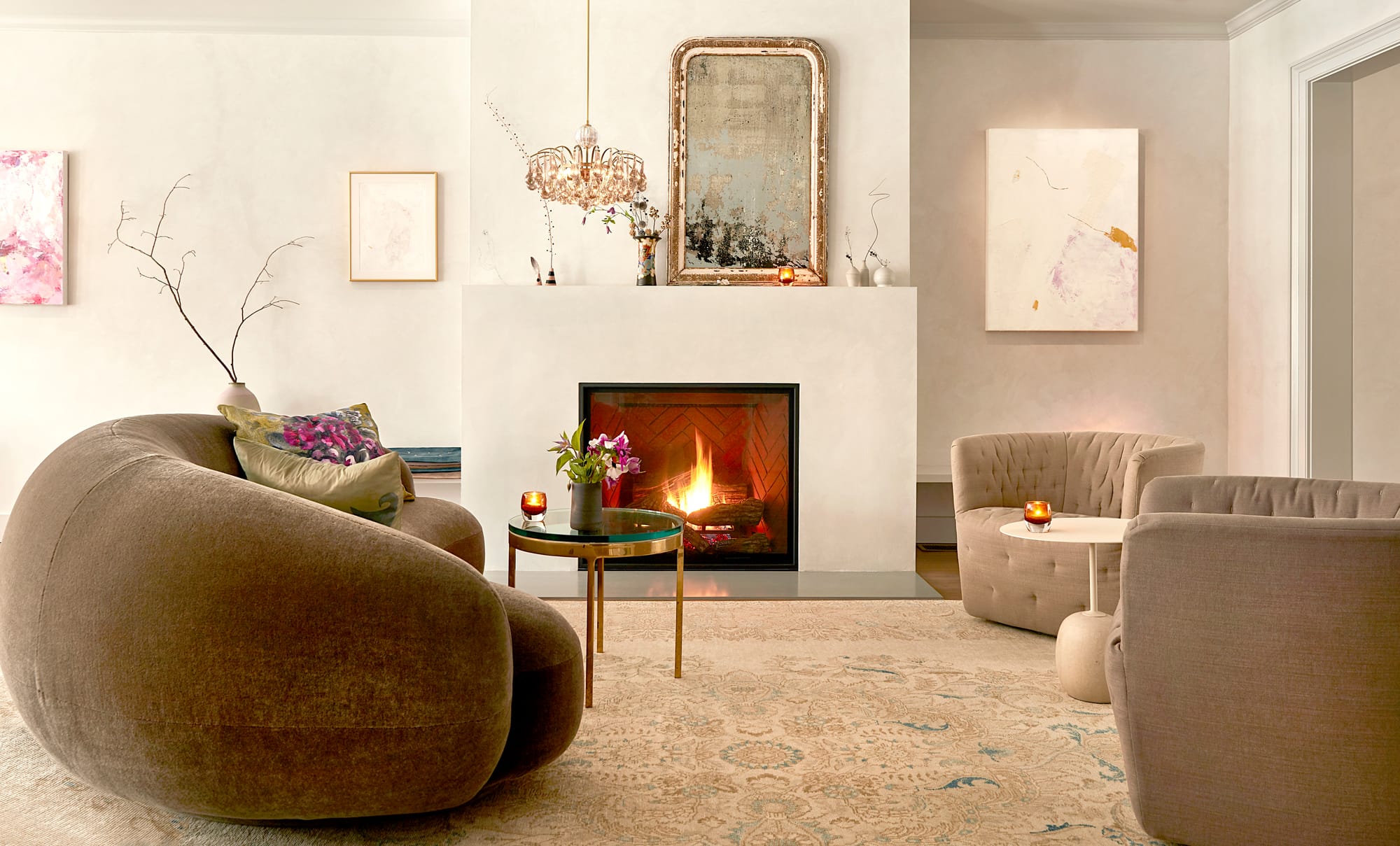
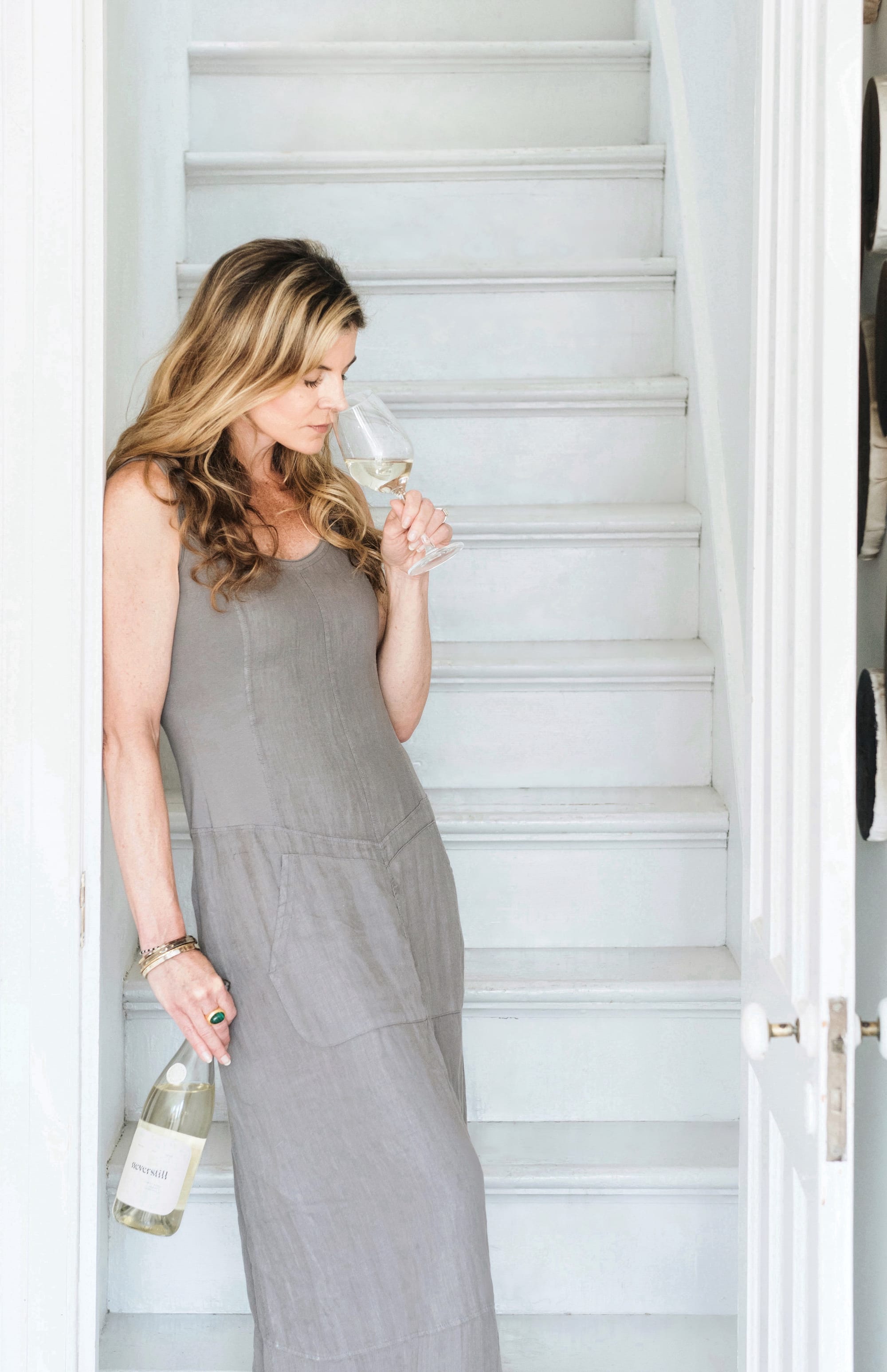
LEFT: One of the cozy tasting areas to enjoy a glass of Neverstill’s Cayuga pét-nat or whatever else the day may call for, photo by Theo Coulombe. RIGHT: Christy Counts, photo by Mendy Waits
“The name is obviously a nod to the Hudson River,” she explains, “but it’s also a nod to reinvention, and the ability to reinvent yourself. Renewal, rebirth, hope—it’s all a reminder that this can be a dynamic life.”
In a lot of ways, Counts owes Neverstill to an earlier experiment with reinvention: the fake I.D. she used to drink wine during her undergrad years at the University of Oklahoma.
“I started drinking wine at Flip’s [Wine Bar],” she recalls. “I lived at Flip’s. I loved Flip’s—still love Flip’s.” And really, with its unfussy red-checkered-tablecloth Italian fare and wine list 200 bottles deep, what’s not to love?
Counts credits the Oklahoma City haunt with helping her trade the boxed-wine bladders she kept in her dorm fridge for an actual education in wine, and for introducing her to varietals from around the world. Growing up in a family entrenched in OKC’s wine scene seeded an early interest in winemaking; a wine dinner with legendary Frog’s Leap winemaker John Williams later sealed the deal. She was smitten.
Although she knew she wanted a future in wine, a career in animal welfare came first. A lifelong horse lover and rider, Counts founded the Oklahoma Humane Society in 2007 and served as its president until 2013, working to materially lower pet euthanasia rates across the state. After meeting the man who’d become her husband on a trip to Miami and dating long-distance for a year between Oklahoma and New York, talk turned toward the future.
“He came to Oklahoma 27 times that year,” Counts recalls. “I said, ‘I’m never living in New York City again—I’m not a city girl.’”
He countered: “‘Let me show you this place called Bedford. It’s very horsey, super casual, you’ll love it.’”
She did. And as the old adage goes, love makes us do crazy things: pack up our horses, move them across the country and, somewhere along the way, open a wine label.
The move brought Counts to Westchester County, where she continued her work in animal advocacy in partnership with the Arnall Family Foundation. From her new home in Bedford, she chaired horse-welfare events, rode the area’s bucolic trails and occasionally rubbed elbows with fellow horse girl Martha Stewart, Western wear and all.
Then came the wine. Within two years, Counts had bought a farm and vineyard near the banks of Seneca Lake, gut-renovated a building in the artist mecca of Hudson that would become Neverstill’s tasting room, and launched the brand she’d been imagining for years.
That tasting room sits on the cozy upper stretch of Warren Street—Hudson’s quirky main drag, stuffed with antique showrooms, vintage shops, high-end art galleries, former factories turned hotels and farm-to-table restaurants. While Hudson isn’t known to be much of a wine region per se, it’s a tourist destination in its own right (the direct train from New York City makes it a favorite weekend getaway for artsy types and Brooklynites who want to cosplay as country folk for the weekend).
Stepping inside feels a little like falling into the pages of Kinfolk Magazine: layers of textiles and rugs across every surface; hyperrealist works by internationally celebrated photographer Jeannette Montgomery Barron on the walls; an airy, shotgun-style room anchored by a chandelier reminiscent of water; and beneath it, a gorgeous horsehair couch beside a wide fireplace that roars in the cold months, beckoning guests to stay for another glass.
Counts deliberately chose the quieter end of Warren to set up shop. She wanted a “jewel box” of a tasting room, something intimate enough for actual conversation and one-on-one time with guests. She worked with former ABC Carpet & Home design executive Amy Ilias to make the space stylish without feeling precious, more living room than wine bar. The finished product reflects the artsy-chic spirit of Hudson—and Counts herself.
As for the wine, Neverstill focuses on cool-climate wines made from Finger Lakes grapes, sustainably farmed on its 9-acre New York estate vineyard. To Napa nerds and fans of New World wines, Counts’ bottles sip a little differently: “light, racy, lighter-bodied,” as she describes them.
It’s a style well suited to this moment. Long overshadowed by California, New York is the second-largest wine-producing state in the U.S., and its cool climate is an incredible asset as climate change complicates growing conditions in California and drinkers gravitate toward lighter, fresher, lower-ABV wines with bright flavors and less intervention ... the very styles New York naturally produces.
“New York is a really exciting region, and a region that I can really get passionate about and advocate for,” Counts says. “That’s my background talking—I love advocating for an underdog.”
In just two years, her small operation has produced limited runs of six remarkably drinkable wines.
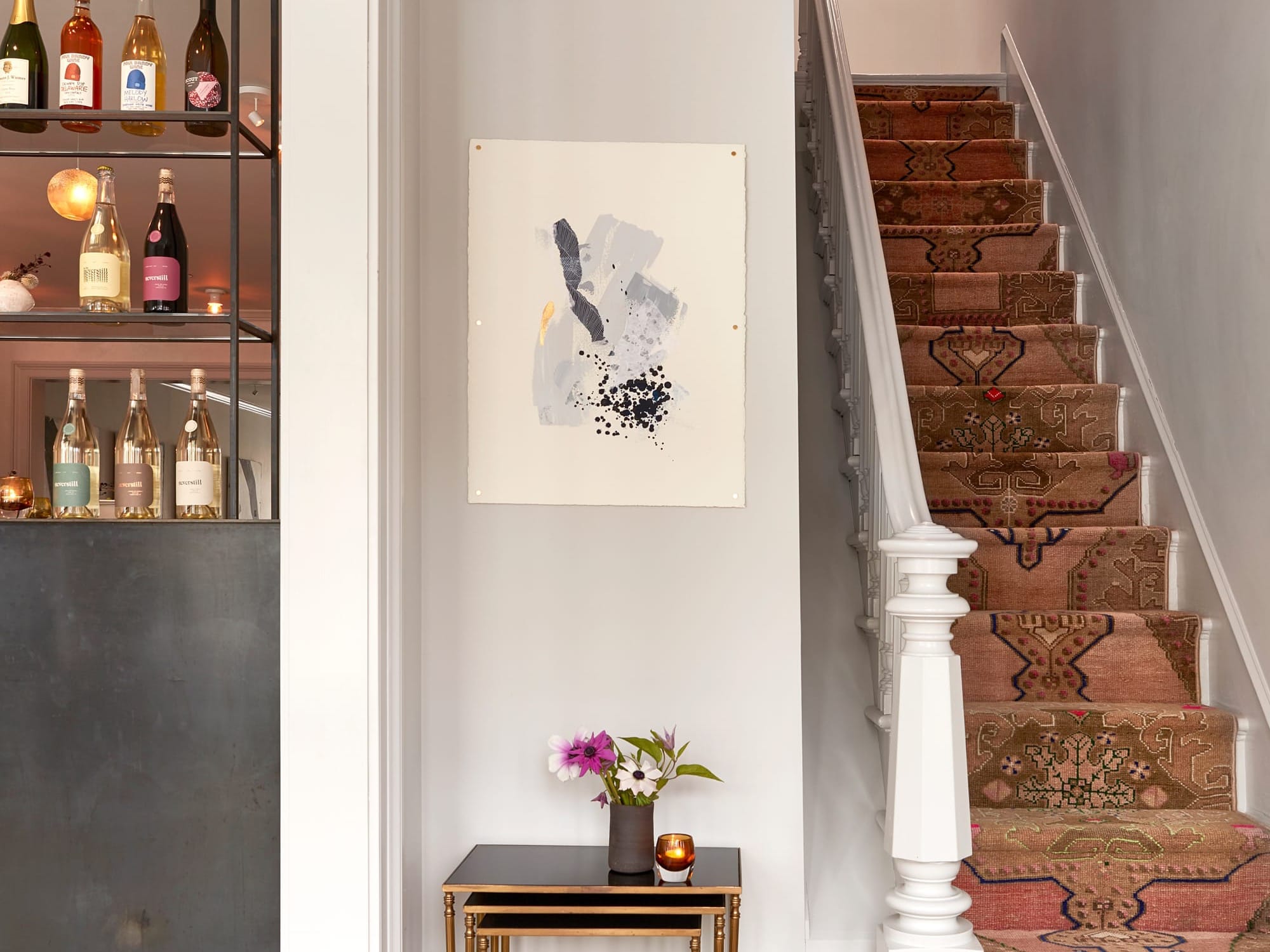
At a recent Neverstill dinner at Prossimo in Tulsa, the Chenin was zippy and racy, with bright notes of green fruit. Neverstill’s Cayuga pét-nat was crisp and surprisingly restrained, without the funk commonly associated with the unfiltered bottles beloved by Brooklyn wine bars. But the Cab Franc—whose first vintage earned 92 points from wine critic James Suckling—was the star of the show. Mild and peppery, it sang alongside Prossimo’s pan-roasted duck with dark-cherry salsa, with all the juicy ease of a Beaujolais.
When I asked Counts over caviar in the tasting room later that weekend to choose a favorite, she demurred.
“It depends on the day and how they’re acting. It’s no different than my children,” she says with a laugh. “But I’m still obsessed with our rosé.”
Neverstill’s is tart and fresh, like wild strawberries squeezed dry. It begs for a dozen oysters, shrimp skewers seared on the grill or a slow backyard happy hour during one of Oklahoma’s deceptively hot fall evenings. Counts predicts the rosé will be sold out before summer ends. No matter; she’s happy to help guests taste their way toward something new to love.
“One of my favorite things to do is have people taste all of our wines and talk them through with really simple descriptors,” she says. “Our pét-nat, I like to say, ‘This is Champagne’s cool little sister.’ Or our Chenin Blanc, I’ll say, ‘It’s almost like a margarita: really tart, no sweetness, super limey.’”
Wine, for Counts, is less an object of connoisseurship than a conduit for connection. Back in Hudson, that idea is built into the room itself. In Oklahoma, it explains something surprising: why a tiny New York winery producing just 1,000 cases a year went to the trouble of distributing them here.
Neverstill is currently available in only two states: New York and Oklahoma.
“I want to build the brand in a place that I want to spend time in,” Counts reasons.
Like so many who leave Oklahoma behind—if not for greener pastures, then perhaps bigger ones—she feels the “push and pull” of home, that tender duality of wanting to experience someplace different while remaining deeply connected to where you started. It’s why she partnered with restaurants like Prossimo and Sedalia’s to introduce Neverstill to Oklahoma, and why she’s willing to put in the work to keep it here.
“I need to care less about the Oklahoma of it all,” she admits, “but I stupidly just want people in Oklahoma to have this wine, so I will get it down there. I don’t care if it’s in our best interest. I want my friends to taste this.” Thanks to a new partnership with Thirst Wine Merchants, and distribution at select wine shops and restaurants, now they can.
If there’s one lesson winemaking has to teach us, it’s the certainty of beginning again. To everything, there is indeed a season.
Growth, renewal and continual evolution are part of tending the land. They’re also part of tending a life. Reinvention doesn’t have to mean shedding everything that came before. If we’re lucky, the next vintage carries notes of the old one with it—home, history, instinct—all expressed in some new way.
“I started this brand in my late 40s after living a whole different career,” Counts tells me, as I wonder about what my own second act might look like. “If I can do that, you can do anything. There’s always hope.”
Maybe that’s the real promise of a second act: not knowing exactly when it will arrive, but allowing ourselves to hope for it anyway. To trust the instincts that tell us when to leave and what to carry with us. To embrace someplace new, then make it our own.
As the wine itself proves out, there is always more to discover, more to taste, more to become. •
