
A Century of Sovereignty
How SWAIA and Santa Fe Indian Market became the world’s greatest stage for Native art

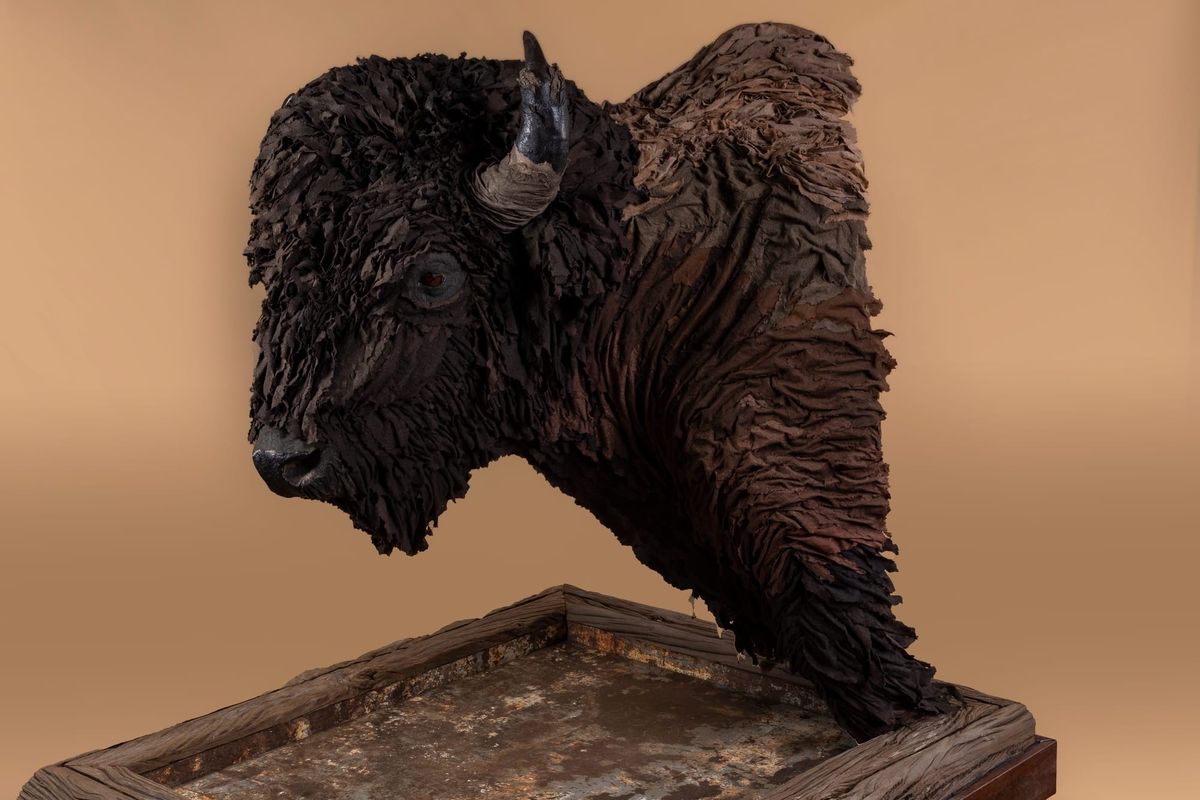
Every August, before the New Mexico sun fully crests over the Sangre de Cristo Mountains, something extraordinary begins to unfold in Santa Fe.
Artists arrive carrying generations.
They come with sculpture wrapped in blankets, baskets woven through memory, beadwork born of patience, paintings layered with cosmology, silver shaped by ancestral hands, textiles alive with stories older than the nation itself. Families reunite. Languages surface in quiet greetings. Elders embrace younger makers. Collectors return with intention. Curators arrive searching for the next transformative voice.
For one remarkable weekend, 12 city blocks become something far greater than an art market.
They become a living ecosystem of Indigenous excellence.
For more than a century, the Southwestern Association for Indian Arts has stood at the center of that story—protecting, elevating, and evolving Indigenous artistry through what has become the largest and most prestigious juried Native art market in the world: the Santa Fe Indian Market. Welcoming more than 100,000 visitors annually and representing over 1,000 artists from more than 200 Tribal Nations, Indian Market is not merely an event. It is a cultural force, an economic engine and, increasingly, a global platform for Native authorship.
Yet perhaps what makes SWAIA most remarkable is this: Despite its scale and influence, its mission remains deeply personal.
It has always been about artists.
Long before Native art occupied museum wings, luxury collections, fashion runways or global biennials, there was concern that Indigenous artistic traditions—particularly Pueblo pottery—might disappear under the pressures of colonization and industrialization.
In 1922, what began as the “Indian Fair,” tied to Santa Fe Fiesta celebrations, emerged as an effort to preserve Indigenous artistic practices and create economic opportunity for Native makers. Over time, the gathering evolved—moving through periods of reinvention, relocation and cultural recalibration before eventually becoming the institution now recognized around the world.
Its early architecture reflected the realities of its time—often filtered through non-Native leadership and outside definitions of Indigenous art. But history, like culture, evolves.
What began as preservation slowly transformed into empowerment.
Today, SWAIA is Indigenous-led and Indigenous-centered, positioning Native artists not as cultural artifacts, but as entrepreneurs, innovators and global storytellers. Executive Director Jamie Schulze understands the weight of stewarding such a legacy.
“One of the huge honors of this position,” she reflects, “but also one of the challenges, is understanding both the entrepreneurship and the cultural preservation that goes into a market of this size and age.”
That dual responsibility—to honor tradition while advancing Indigenous futures—defines the organization today.
To call Santa Fe Indian Market an art fair is to fundamentally misunderstand it.
Commerce exists, certainly. Millions of dollars in sales flow directly into Native communities each year, creating economic independence and sustaining creative livelihoods. Yet the market’s true power lies in what happens beyond transactions. It is reunion. Ceremony. Mentorship. Visibility.
A place where Indigenous brilliance gathers in public view.
Walk the plaza and one quickly realizes this is not transactional retail. Collectors linger. Conversations deepen. Artists speak openly about lineage, technique, worldview and memory. A piece becomes more than an object—it becomes relationship.
“People are looking for deeper connection,” Schulze explains. “They want to understand the story, the artist, the environment that shaped the work.”
And therein lies Indian Market’s quiet revolution. In an increasingly disconnected world, authenticity has become its own form of luxury.
What visitors encounter in Santa Fe is not commodified culture, but living culture.
A jeweler discussing family traditions. A painter sharing origin stories. A weaver carrying techniques passed through generations. Buyers are not purchasing decoration; they are investing in continuity.
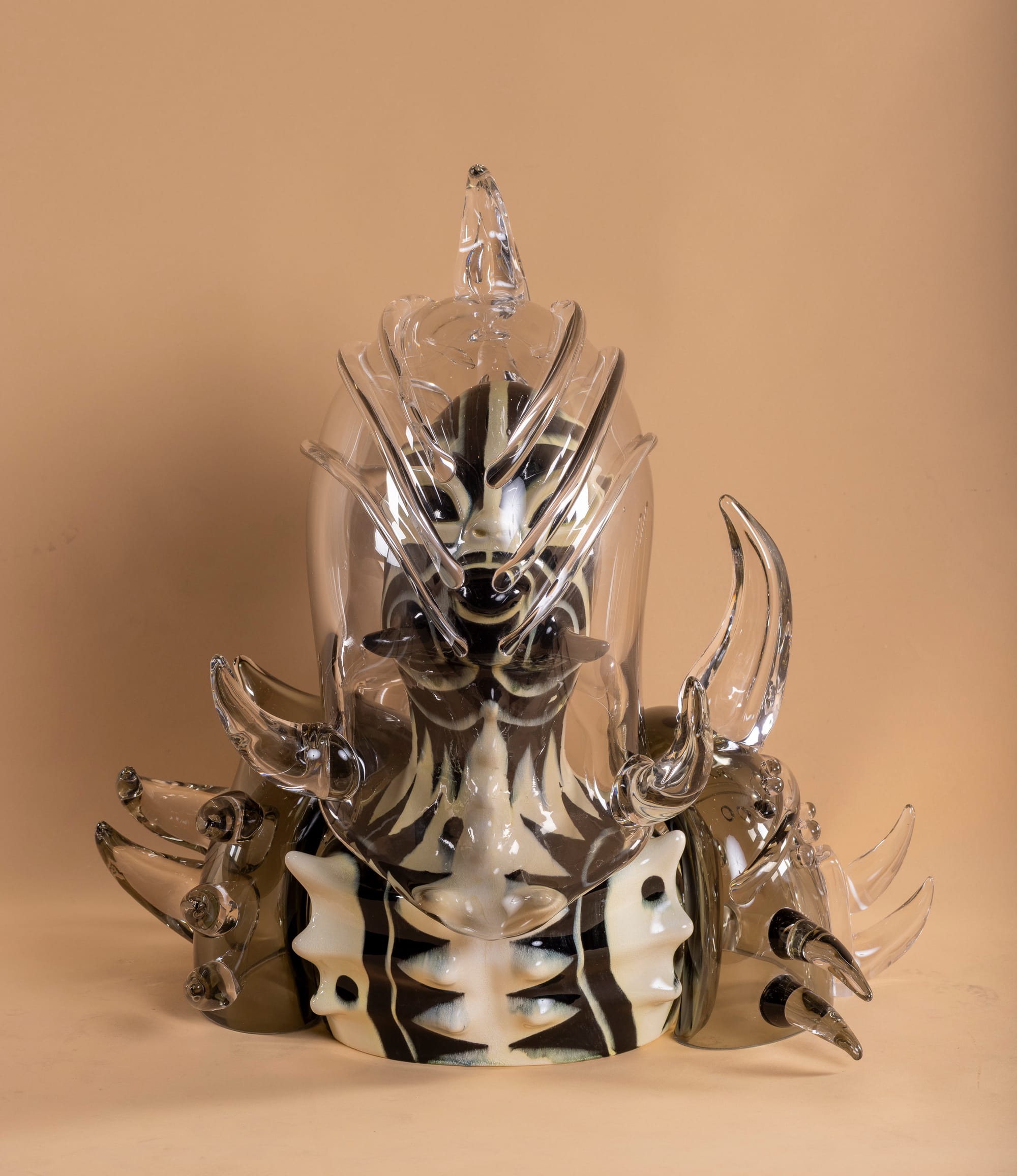
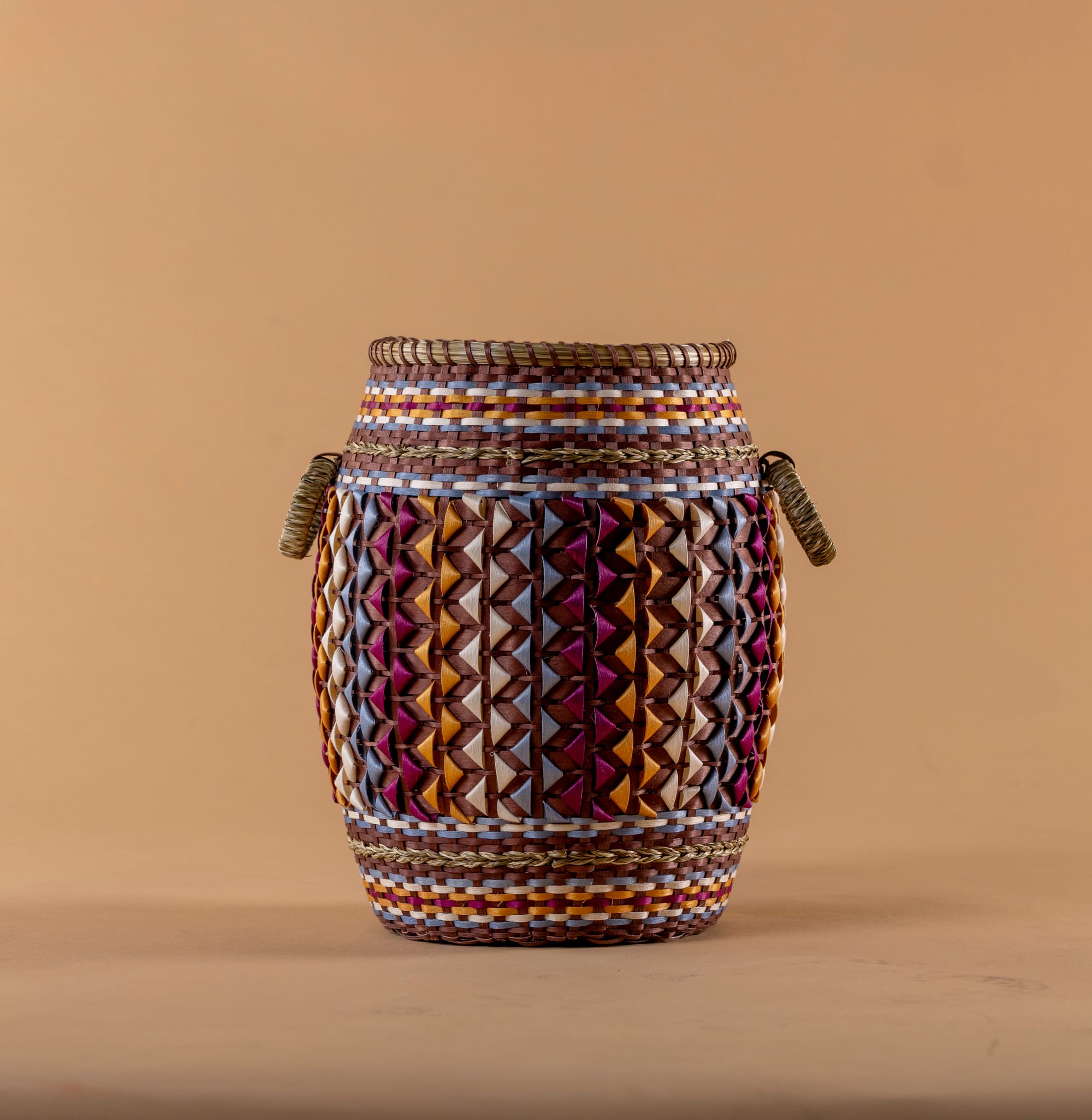
LEFT: Best of Show Diverse Arts, "Aeronaut Pilot" Artist Virgil Ortiz, Cochiti Pueblo. RIGHT: Best of Show Basketry, “Wabanaki Summer” Artist Theresa Secord, Penobscot Nation. Photography by Gabriella Marks
As Schulze notes, Indigenous cultures are not frozen in history. “We’ve always been here,” she says plainly. “The viewer has finally woken up.”
For decades, Indigenous art was frequently relegated to anthropology museums or categorized as “craft”—an unfortunate distinction that diminished extraordinary technical mastery. That hierarchy is changing.
Today, Indigenous artists are increasingly represented in major museum collections, international exhibitions, fashion houses, film and contemporary art discourse. Institutions once hesitant to fully embrace Native creativity now actively seek Indigenous voices. Santa Fe Indian Market has played a profound role in that shift.
A Best of Show distinction at Indian Market is widely considered career-defining—opening doors to galleries, museum acquisitions, private collections and international recognition. The juried process itself is famously rigorous, creating standards that reinforce artistic integrity and cultural authenticity.
Schulze described it almost as a seal of trust. These artists have been vetted. Their work reflects mastery. Their voices matter. Yet the organization’s influence extends far beyond awards. Sometimes, transformation arrives quietly.
A young artist arrives with little money and uncertainty, risking everything to participate. Then the lights go on: I can do this. I can build a life from my art without leaving home.
For many Native creatives—especially those in rural communities—this realization changes trajectories entirely. Because Indian Market does not simply showcase talent. It builds economies.
During the pandemic, SWAIA discovered something startling: One Native artist often supports as many as nine family members. Art is not individual expression alone—it is infrastructure. It sustains households, preserves knowledge systems and keeps communities intact.
Nowhere is Indigenous evolution more visible than in fashion. What was once marginalized or appropriated has entered global conversation with undeniable force. Through SWAIA Native Fashion Week and events like A Taste of Native Fashion, Indigenous designers are redefining luxury, authorship and identity. The distinction matters. For too long, Native aesthetics were borrowed, commercialized and disconnected from their makers. Patterns appeared on runways stripped of meaning. Symbolism became trend. Indigenous fashion reclaims authorship. Regalia traditions—long rooted in gifting, ceremony and intergenerational storytelling—inform contemporary design in powerful ways. A garment becomes archive. Memory. Protest. Celebration.
Schulze sees fashion as an equalizer. “It allows for difficult conversations to become conversations,” she says. “It lets people ask questions without judgment.” More importantly, it offers Native creatives economic sovereignty.
A purchase directly supports a small Indigenous-owned business—not a conglomerate manufacturing diluted ideas elsewhere. A jacket, dress or beadwork piece becomes wearable story.
Luxury, in this context, acquires new meaning. Not scarcity. Meaning.
Perhaps one of SWAIA’s most important contributions is education. For generations, mainstream perceptions flattened Native identity into a single category: “Native American.” But Indigenous communities are not monolithic.
There are hundreds of Nations represented at Indian Market—each with distinct philosophies, aesthetics, materials, histories and lived experiences. Navajo weaving differs profoundly from Haudenosaunee beadwork. Pueblo pottery carries entirely different cosmologies than Plains ledger art. Indian Market insists upon specificity. The juried process, artist interactions and educational components encourage audiences to move beyond stereotype and toward understanding. Collectors increasingly seek provenance—not only where a piece came from, but who made it, why it matters and how it exists within larger cultural narratives. This sophistication marks a turning point. Native art is no longer merely admired. It is studied. Respected. Contextualized.
One word surfaces repeatedly in Schulze’s philosophy: stewardship. Not ownership. Stewardship. It reflects a distinctly Indigenous framework—understanding that stories, traditions and cultural knowledge do not belong to one individual. They are cared for, protected and passed forward.
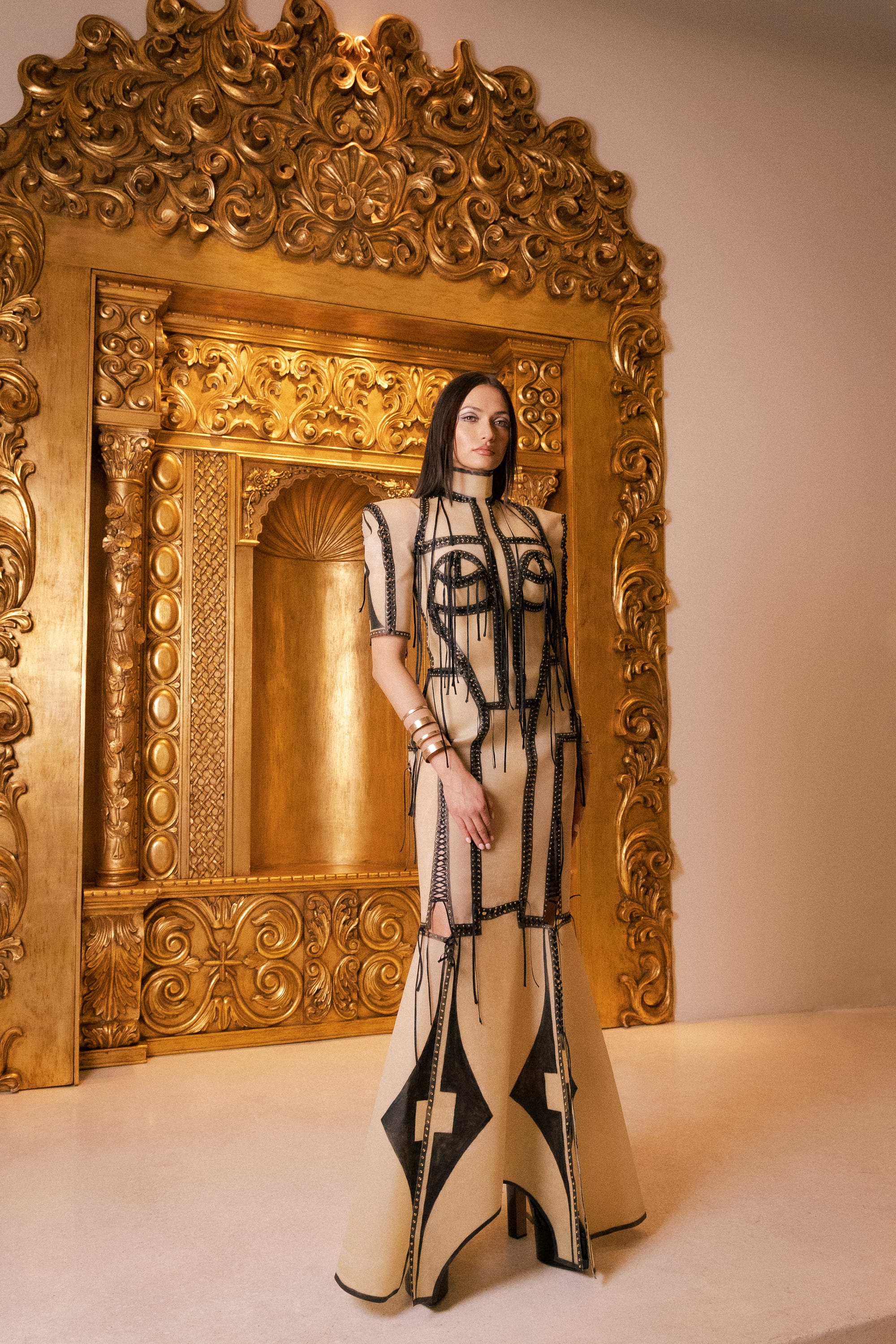
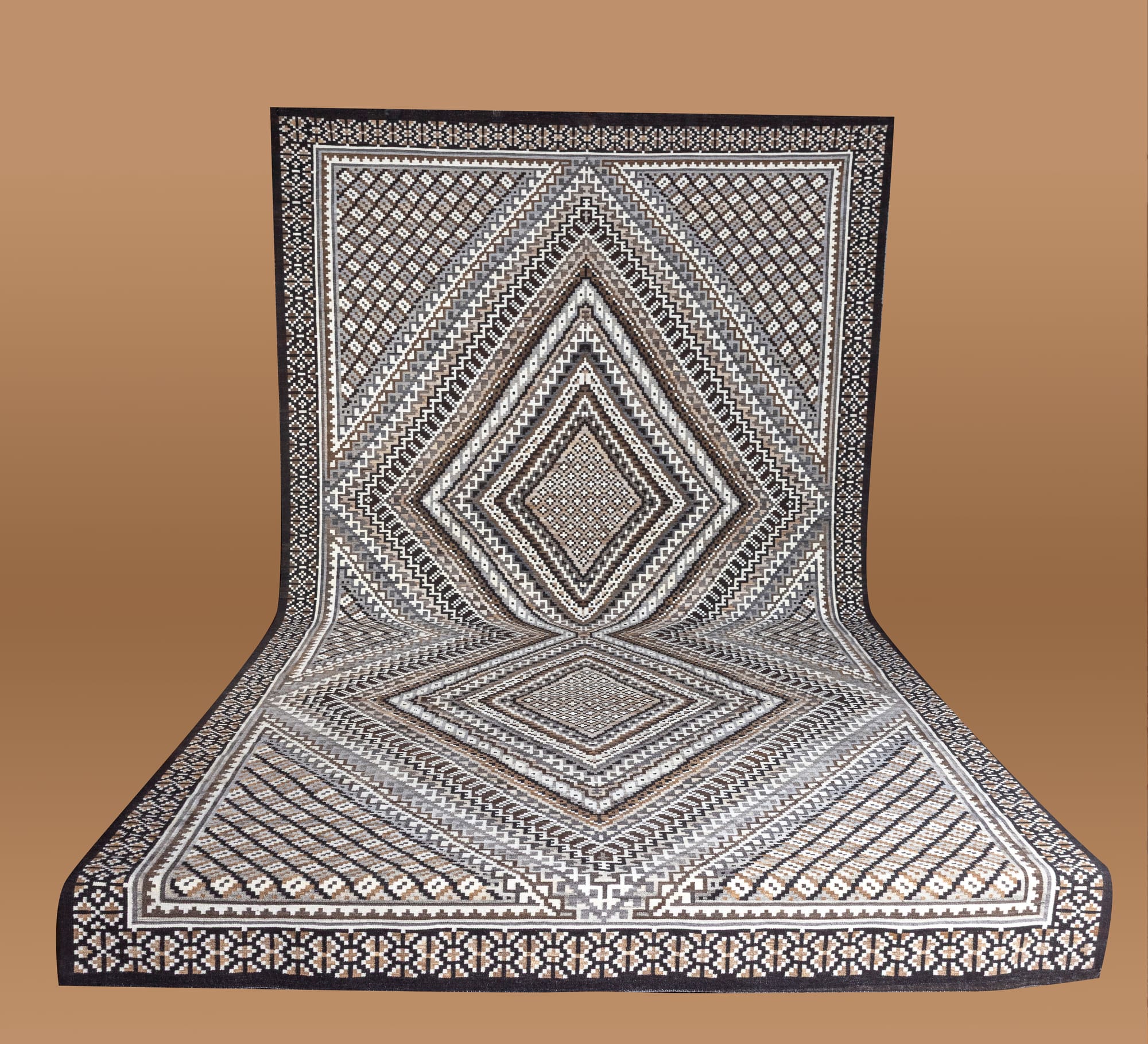
LEFT: Fashion, Designer: Jamie Okuma, Model: Angelica Padilla. Photograph by Emily Seiler. RIGHT: Best of Show Textiles: “Untitled” Artist Lola Cody, Navajo. Photography by Gabriella Marks
This perspective shapes SWAIA’s future. Rather than imposing top-down decisions, the organization listens. Artist summits, community feedback, year-round dialogue—these are mechanisms for shared evolution. Change emerges collectively, not in isolation.
“We don’t make decisions in a vacuum,” Schulze explains. “The artist community tells us where the challenges are.” That responsiveness matters. Technology shifts. Markets evolve. Younger generations create differently. Yet SWAIA continues to ask the same question: How do we remain deeply rooted while thoughtfully moving forward?
This August, when artists once again gather in Santa Fe, they will bring more than extraordinary objects. They will bring continuity. Food, music, performance, fashion, visual art—each increasingly interwoven into SWAIA’s larger vision of Indigenous excellence. Chefs, musicians, designers, filmmakers and storytellers now stand alongside traditional artists, reflecting the full spectrum of Native creativity.
The future of Indian Market will likely look different than its past. More digital. More global. More interdisciplinary. Yet its soul remains unmistakably intact. Community. Exchange. Story.
More than a century after its founding, SWAIA continues to prove something essential: Indigenous art is not surviving. It is leading. And perhaps that is the real story of Santa Fe Indian Market—not simply that it became the largest juried Native art market in the world, but that it helped Indigenous artists reclaim narrative, economy and visibility on their own terms.
Every August, beneath New Mexico skies, history and future meet. And for a few luminous days, the world gathers to listen. •
